
LASIK Surgery in Delhi: Permanent Freedom from Glasses & Contact Lenses
Save Sight Centre offers the most advanced LASIK eye surgery in Delhi, performed by highly experienced refractive surgeons at an NABH and ISO accredited facility. We offer 7 personalized LASIK variants to match your unique corneal profile, eye power, and lifestyle — giving you the sharpest possible vision outcome.
🔎 Quick Answer: Refractive Surgery
LASIK (Laser-Assisted In Situ Keratomileusis) surgery in Delhi uses a precision excimer laser to reshape the cornea and permanently correct myopia, hyperopia, and astigmatism. At Save Sight Centre, a NABH and ISO accredited hospital opposite Adarsh Nagar Metro Station, LASIK starts at ₹10,000 per eye with a discounted pre-LASIK workup at just ₹2,000. The hospital has performed 35,000+ successful procedures with 99%+ of patients achieving 6/6 vision, and offers 7 laser technologies — Clear Supra, SmartSurf, Contoura Vision, Femto (Bladeless), Trans PRK, SBK, and Customized LASIK — plus no-cost EMI.
LASIK starts at ₹10,000/eye at Save Sight Centre, with 35,000+ procedures performed and 99%+ of patients achieving 6/6 vision.
7 personalized LASIK technologies — Clear Supra, SmartSurf, Contoura Vision, Femto, Trans PRK, SBK, and Customized LASIK.
Pre-LASIK workup is discounted to ₹2,000 (from ₹4,000) and includes corneal topography, pachymetry, pupil assessment, and refraction.
Most patients see clearly by the next morning, resume desk work in 2–3 days, and stabilise fully within 3–4 weeks.
The whole procedure takes 10–15 minutes per eye, with laser time under 2 minutes per eye.
Not eligible for LASIK? ICL, IPCL, and RLE/CLE are available as permanent alternatives at the same hospital.
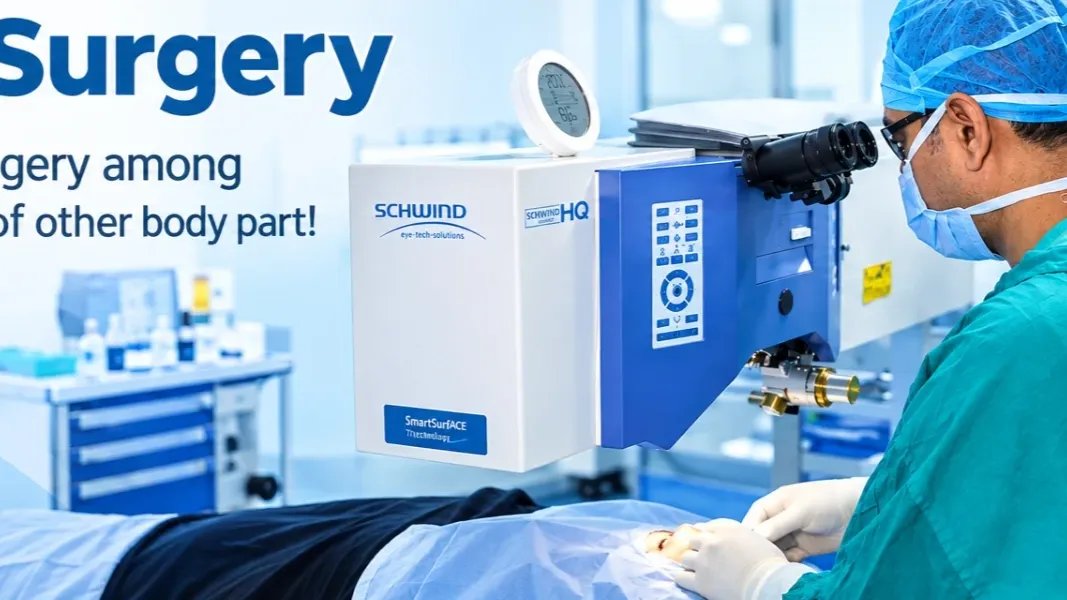
How does Refractive Surgery work?
LASIK (Laser-Assisted In Situ Keratomileusis) is the world's most widely performed refractive eye surgery. It permanently corrects common vision problems like nearsightedness (myopia), farsightedness (hyperopia), and astigmatism by using a precision excimer laser to gently reshape the cornea (the clear front surface of your eye).
When light enters a healthy eye, the cornea bends it perfectly onto the retina, creating sharp vision. If your cornea is too steep, too flat, or irregular, light focuses in front of or behind the retina, giving you blurry vision that you compensate for with glasses or contact lenses. LASIK changes the shape of the cornea itself, so light focuses correctly without any external aid.
The entire treatment takes under 10–15 minutes per eye. The vast majority of patients see clearly by the very next morning, return to normal daily activities within 2–3 days, and achieve complete vision stabilization within 3–4 weeks.
What Vision Problems Can Refractive Surgery Correct?
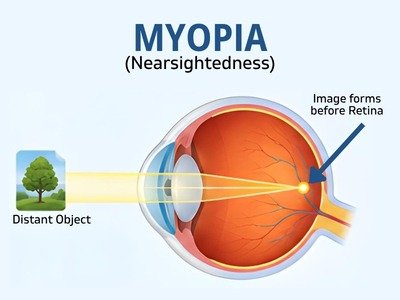
You see close objects clearly but distant objects are blurry. LASIK flattens the cornea to reduce its focusing power and bring distant vision into sharp focus.
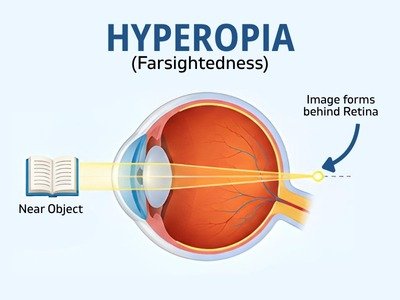
Close objects appear blurry while distant ones may seem clearer. LASIK steepens the cornea's central curvature to improve near and intermediate focus.
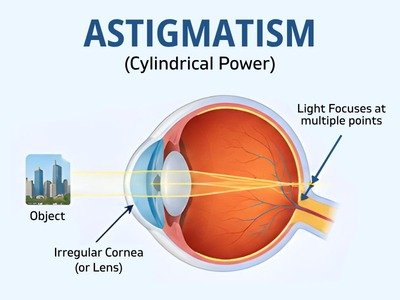
An irregular corneal shape causes blurry vision at all distances. LASIK smooths the uneven curvature, eliminating the distortion caused by astigmatism.
Types of Refractive Surgery
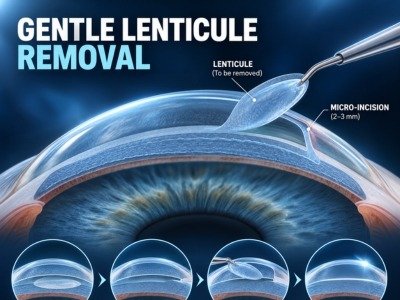
The newest lenticule-based laser technology — a thin precision lenticule is removed through a tiny incision with minimal tissue disruption, giving fast, stable visual recovery.
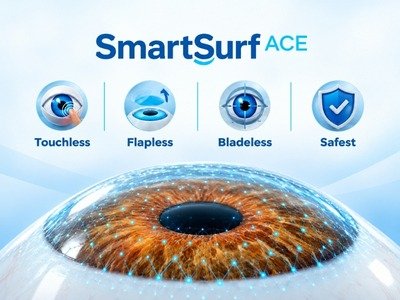
Touch-free, flap-free correction for power −1 to −8. A single laser-assisted step, ideal for patients who may not suit flap-based LASIK.
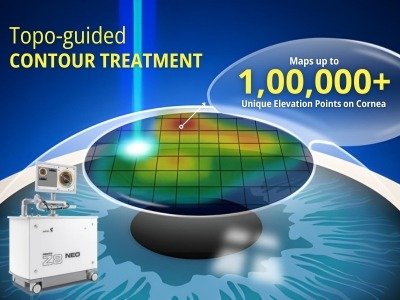
A femtosecond laser creates a thin corneal flap, an excimer laser reshapes underneath. Maps 1,00,000+ corneal points to correct irregularities. 90%+ patients see sharper than with glasses.
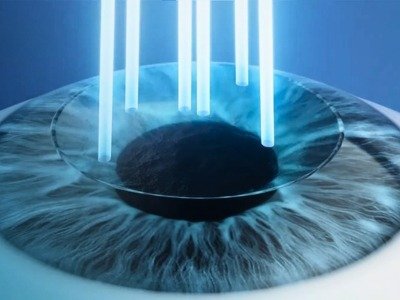
An advanced version of PRK and EPI Contoura — the laser removes the epithelium and reshapes the cornea in one continuous, flap-free step.
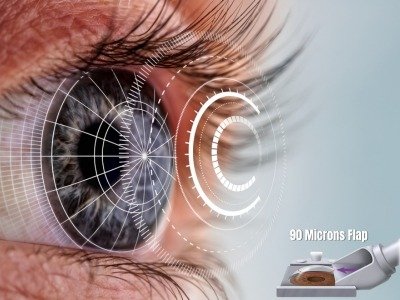
Preserves more corneal tissue with an ultra-thin flap compared to standard LASIK — excellent outcomes with fast recovery.
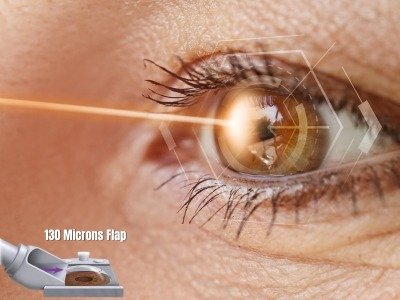
Combines eye-mapping technology with laser treatment for a highly accurate, personalized correction of your prescription.
What Tests Are Done Before Refractive Surgery?
Corneal Topography
A detailed surface map of your cornea capturing every hill, valley, and curve unique to your eye. This map guides the laser to correct the exact shape of your cornea — not just your average prescription number.
Pachymetry (Corneal Thickness)
Measures how thick your cornea is in microns for a critical safety check. A safe minimum of 250–300 microns of tissue must remain after treatment. If corneas are too thin, options like ICL/IPCL lenses are recommended instead.
Pupil Size (Mesopic)
Your pupil expands in the dark to 6mm or more. If the laser treatment zone is smaller than your dilated pupil, you may see halos at night. This measurement ensures the treatment area covers your full pupil, protecting night driving vision.
Refraction (Your Glasses Power)
Two refraction tests are performed — one natural, one after dilating the eyes to relax the focusing muscles completely. Both are cross-referenced with topography data to finalise precise correction targets for your surgery.
How Is Refractive Surgery Performed Step by Step?
Flapless LASIK — Flapless LASIK (SmartSurf & Trans PRK) — The laser works directly on the corneal surface without creating any flap. Ideal for patients with thinner corneas, athletes, or contact sport enthusiasts. Slightly longer visual recovery (5–7 days) but eliminates all flap-related risks entirely.
Anaesthetic Drops Applied
Numbing eye drops are instilled. No injections, no pain. A small lid speculum holds the eye gently open throughout the procedure.
Epithelium Removed by Laser
The excimer laser directly removes the thin surface epithelial layer in one continuous step — no blade, no touch, no flap created at all.
Corneal Surface Reshaped
The same excimer laser immediately reshapes the corneal stroma below, correcting your prescription and corneal irregularities simultaneously. Eye tracking ensures precision.
Bandage Contact Lens Placed
A soft bandage contact lens is placed over the treated surface to protect it while the epithelium regenerates over 4–5 days. Removed at your follow-up visit.
Flap Based LASIK — Flap-Based LASIK (Clear Supra · Customized LASIK · SBK · Femto Bladeless · Contoura Vision) — A thin hinged corneal flap is created, the laser reshapes the tissue beneath, then the flap is replaced. The fastest visual recovery — most patients see clearly the next morning and return to work in 1–2 days.
Anaesthetic Drops Applied
Numbing drops are instilled. No injections. A small speculum gently holds your eyelids open for the procedure.
Corneal Flap Created
A precision microkeratome blade (SBK/Customized) or femtosecond laser (Femto/Contoura) creates a thin hinged flap. Brief pressure is felt for a few seconds. The flap is gently folded back.
Excimer Laser Reshapes Cornea
The excimer laser delivers your personalised ablation, correcting your prescription and smoothing corneal irregularities simultaneously. Automatic eye tracking ensures precision.
Flap Repositioned
The flap is carefully placed back and adheres naturally within minutes, no stitches required. The surgeon confirms perfect alignment before you leave the OT room.
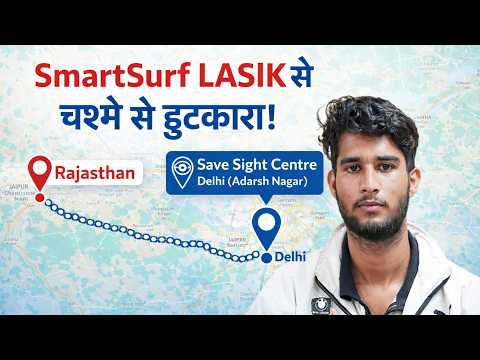
Real Results from Refractive Surgery
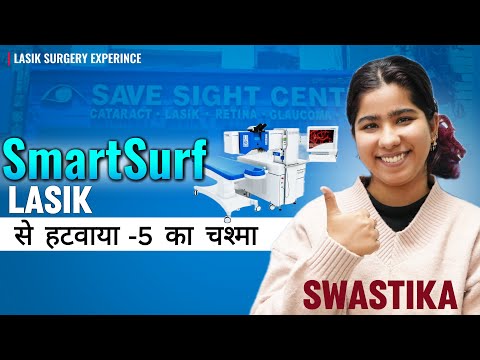
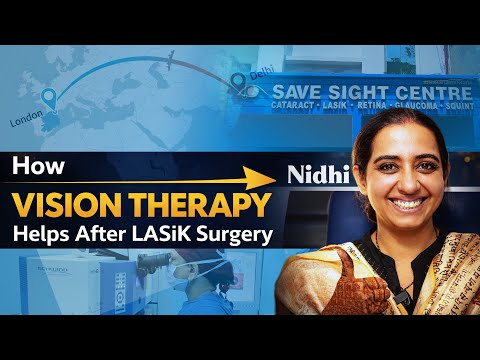

Recovery Timeline After Refractive Surgery
What Should You Avoid After Refractive Surgery?
Swimming & Hot Tubs
Avoid for at least 2–4 weeks to prevent infection and flap disturbance.
Contact Sports
Avoid for at least 4 weeks. Wear protective eyewear once cleared to return.
Eye Makeup
Wait at least 3–4 weeks before applying mascara or eye shadow to avoid contamination.
Rubbing Your Eyes
Never rub — the corneal flap can be displaced. Critical for the first month after flap-based LASIK.
Sun Without Sunglasses
Wear UV-protective sunglasses outdoors for the first month; UV exposure during healing can affect the outcome.
LASIK vs Glasses vs Contact Lenses: Which Is Better?
A common question people ask before deciding on LASIK surgery in Delhi is: "Is it worth it compared to just continuing with glasses or contacts?" Here is a straightforward comparison to help you decide.
| Feature | Refractive Surgery | Glasses | Contact Lenses |
|---|---|---|---|
| Vision Correction | Permanent | Requires glasses | Daily dependency |
| Convenience | Glasses-free life | Can be lost/broken | Daily insertion/removal |
| Night Vision Quality | Excellent (custom) | Glare from lenses | Moderate |
| Sports & Outdoor Activity | No restrictions | Restrictive | Infection risk |
| Long-Term Cost | One-time investment | Recurring annually | Monthly cost + solutions |
| Eye Health Risk | Very Low | None | Infection risk over time |
Vision Correction
Convenience
Night Vision Quality
Sports & Outdoor Activity
Long-Term Cost
Eye Health Risk
Who Is the Right Candidate for Refractive Surgery?
Candidacy is determined entirely by your workup measurements — corneal thickness, prescription stability, eye health, and topography. Here is a clear overview to help you self-assess before your consultation.
✅ You are likely a good candidate if you:
- Are 18 years or older with a stable prescription for at least 6–12 months
- Have myopia (up to −10D), hyperopia (up to +5D), or astigmatism (up to −5D cyl)
- Have adequate corneal thickness to safely accommodate the chosen LASIK type
- Have healthy eyes with no active infections or corneal disease
- Are generally in good health with no active autoimmune conditions
- Have realistic expectations about outcomes and recovery
❌ LASIK may not be suitable if you:
- Have a prescription that is still changing year-to-year
- Are pregnant or breastfeeding (hormonal changes affect corneal shape)
- Have keratoconus or advanced corneal irregularity
- Have severe dry eye disease that has not responded to treatment
- Have certain autoimmune conditions (lupus, rheumatoid arthritis)
- Have corneas too thin for the planned ablation and safe residual bed
- Have severe uncontrolled glaucoma or dense cataracts
- Are under 18 years of age
Not eligible for LASIK due to thin cornea, high power, or dry eyes? ICL & IPCL surgery and RLE & CLE surgery are effective, permanent alternatives available at the same hospital.
What Are the Risks and Side Effects of Refractive Surgery?
Dry Eye Symptoms
The most common side effect post-LASIK. Typically resolves within 3–6 months with prescribed lubricating drops. Surface-based procedures like Trans PRK have lower dry eye rates.
Night Glare or Halos
Some patients notice halos around lights at night during healing. Usually resolves within 4–6 weeks. Customized LASIK with proper pupil measurement significantly reduces this risk.
Flap Complications
Buttonhole or incomplete flaps are extremely rare with modern microkeratomes and femtosecond lasers. Incidence is less than 0.3% in experienced hands.
Corneal Ectasia
Progressive thinning of the cornea post-LASIK. This risk is significantly reduced by careful pachymetry screening and maintaining adequate residual stromal bed thickness.
Infections
The risk of infection is extremely low at NABH-accredited centres. Pre- and post-operative antibiotic eye drops are prescribed as standard to prevent it.
LASIK Surgery Cost in Delhi
The cost of LASIK surgery in Delhi depends on the type of procedure, the technology used, surgeon experience, and hospital infrastructure. Here is a straightforward overview of what to expect at Save Sight Centre:
| Types of LASIK Surgery | Cost (Both Eyes) |
|---|---|
| Eye Power Range: Minus powers up to −9.00 and Plus powers up to +5.00 | |
| Clear Supra (Lenticule Based) | ₹1,25,000 |
| SmartSurf AI | ₹90,000 |
| Contoura Vision | ₹60,000 – ₹90,000 |
| Femtosecond (Bladeless) | ₹75,000 |
| Trans PRK / EPI Contoura | ₹60,000 |
| SBK (Sub-Bowman Keratomileusis) Thin Flap | ₹45,000 |
| Customized LASIK | ₹35,000 |
| Standard LASIK | ₹20,000 |
| Options for Minus powers above −9.00 | Thin Cornea | Severe Dryness | |
| ICL (Implantable Collamer Lens) Surgery | ₹1,30,000 – ₹1,90,000 |
| IPCL (Implantable Phakic Contact Lens) Surgery | ₹1,10,000 – ₹1,45,000 |
| RLE (Refractive Lens Exchange) & CLE (Clear Lens Extraction) | ₹70,000 – ₹1,20,000 |
Eye Power Range: Minus powers up to −9.00 and Plus powers up to +5.00
Options for Minus powers above −9.00 | Thin Cornea | Severe Dryness
Doctors for Refractive Surgery
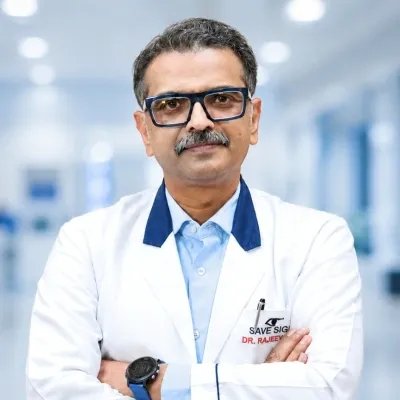
Dr. Rajeev Jain
Retina, Cataract, LASIK & Uvea Specialist with 25+ years of experience treating patients at Save Sight Centre.
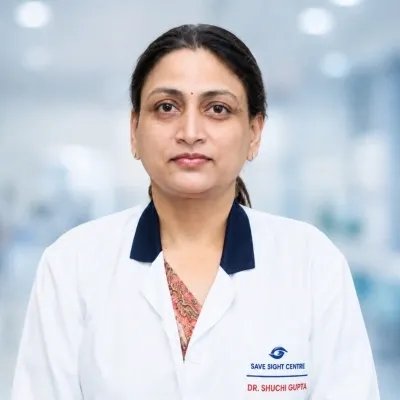
Dr. Shuchi Gupta
Phacoemulsification, LASIK, Glaucoma & Anterior Segment Specialist with 17+ years of practice.
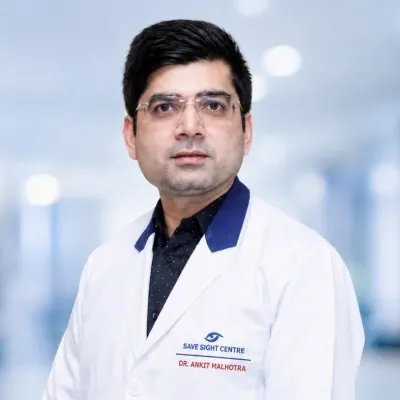
Dr. Ankit Malhotra
Phacoemulsification, LASIK & Anterior Segment Specialist with 8+ years of practice.
Frequently Asked Questions About Refractive Surgery
Ready to Book Your Refractive Surgery Consultation?
Book your consultation at Save Sight Centre, Delhi. Our expert team will help you understand your condition, recommend the right treatment and guide you through every step.