
Glaucoma Treatment in Delhi
Glaucoma quietly damages the optic nerve long before you notice any change in vision — and any vision lost cannot be recovered. At Save Sight Centre, Dr. Shuchi Gupta and our glaucoma team offer comprehensive eye pressure testing, advanced diagnostics, and a full range of treatment options — from eye drops to MIGS and filtering surgery — to protect the sight you still have.
🔎 Quick Answer: Glaucoma Treatment
Glaucoma (Kala Motiya) is a group of eye diseases that damage the optic nerve, usually due to raised intraocular pressure (IOP), and is a leading cause of irreversible blindness. At Save Sight Centre, a NABH and ISO accredited hospital opposite Adarsh Nagar Metro Station, Dr. Shuchi Gupta leads comprehensive glaucoma care — from tonometry, gonioscopy, OCT and visual field testing to diagnose it, through eye drops, SLT/LPI laser therapy, and MIGS or trabeculectomy surgery to treat it. Vision already lost cannot be restored, but early diagnosis and consistent treatment can stop further damage and preserve your remaining sight for life.
Glaucoma has no early symptoms — it's called the "silent thief of sight" because vision loss starts at the edges and goes unnoticed until it's advanced.
Any vision already lost to glaucoma cannot be restored — treatment only protects what remains, which is why early screening matters.
Dr. Shuchi Gupta, the best glaucoma specialist in Delhi at Save Sight Centre, offers a full diagnostic workup — tonometry, gonioscopy, OCT and visual field testing.
Treatment ranges from daily eye drops to laser therapy (SLT/LPI) to surgery (MIGS or trabeculectomy), matched to your type and stage of glaucoma.
Anyone over 40, or with a family history of glaucoma, diabetes, or long-term steroid use, should get screened every 1–2 years.
Glaucoma is a lifelong condition — but with consistent treatment and follow-up, most patients keep good, functional vision for life.
How does Glaucoma Treatment work?
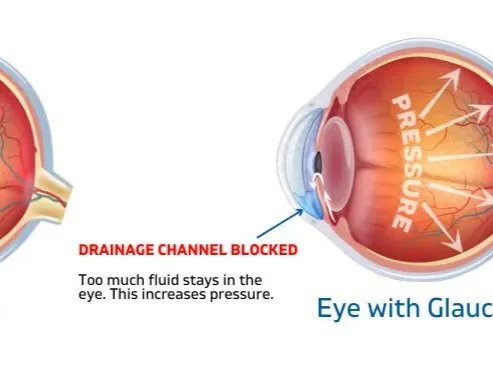
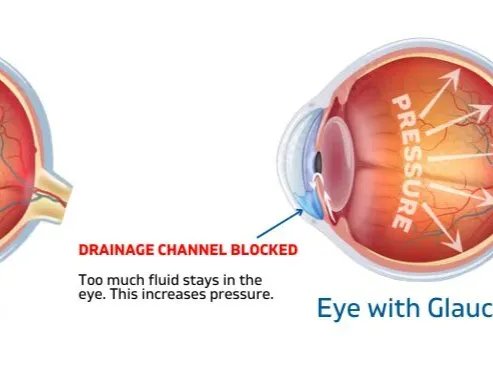
Glaucoma is a group of eye diseases that damage the optic nerve — the bundle of nerve fibres that carries visual information from your eye to your brain. It most often develops when fluid (aqueous humor) fails to drain properly from the front of the eye, raising the intraocular pressure (IOP) and gradually damaging the nerve fibres. It's also known as "Kala Motiya" in Hindi.
Glaucoma earns the nickname "silent thief of vision" because it typically causes no pain and no noticeable symptoms in its early stages. Vision loss usually begins at the outer edges of your visual field and creeps inward, while your central vision stays sharp until the disease is already advanced — which is why most people don't notice anything is wrong until significant, irreversible damage has occurred.
Glaucoma can occur at any age but is most common in adults over 40. The vision already lost to glaucoma can never be recovered or reversed — treatment can only protect and preserve whatever vision remains, which is why early detection through regular eye exams is so critical.
Symptoms of Glaucoma Treatment
What Vision Problems Can Glaucoma Treatment Correct?
The drainage angle looks normal but gradually becomes less efficient, slowly raising eye pressure. It develops silently over years, usually starting with peripheral vision loss.
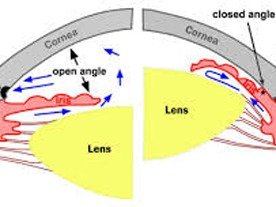
The drainage angle becomes blocked, causing eye pressure to spike rapidly. Symptoms include severe eye pain, headache, nausea, and vomiting — this needs urgent treatment.
Optic nerve damage occurs despite normal eye pressure readings, often linked to poor blood flow to the nerve. Regular monitoring is essential for early detection.
Develops as a result of another eye or systemic condition — diabetes, eye injury, uveitis, or steroid use. Managing the root cause is key to controlling it.
A rare condition where a baby's drainage system doesn't develop properly. Early diagnosis and prompt surgery are vital to save the child's vision.
Risk Factors for Glaucoma Treatment
Treatment Options for Glaucoma Treatment
For most newly diagnosed patients, glaucoma is first managed with medication, with laser therapy added or used instead when needed. These are typically less invasive and are often tried before surgery is considered.
- Eye Drops & Oral Medication: The most common first-line treatment. Drops either reduce fluid production in the eye or improve its drainage, lowering IOP. Must be used exactly as prescribed, even without symptoms.
- Selective Laser Trabeculoplasty (SLT): A laser improves drainage through the eye's trabecular meshwork, lowering eye pressure. Many patients reduce or stop drop dependency after SLT. Done as a quick outpatient procedure.
- Laser Peripheral Iridotomy (LPI): Creates a tiny opening in the iris to relieve blocked drainage in angle-closure glaucoma, or to prevent an attack in narrow-angle eyes. Takes only a few minutes per eye.
Recommended when medication and laser therapy aren't enough to control eye pressure, or in patients who can't reliably use drops. Surgery creates a new pathway for fluid to drain from the eye.
- MIGS (Minimally Invasive Glaucoma Surgery): A newer group of procedures using microscopic devices to improve drainage with less trauma to the eye than traditional surgery, often combined with cataract surgery, with faster recovery.
- Trabeculectomy: The gold-standard filtering surgery — creates a new drainage channel under the conjunctiva to let fluid bypass the blocked meshwork. Highly effective at lowering pressure long-term.
- Glaucoma Drainage Device (Shunt/AGV): A small tube implant, such as an Ahmed Glaucoma Valve (AGV), redirects fluid out of the eye. Typically used for complex or previously operated glaucoma cases.
What Tests Are Done Before Glaucoma Treatment?
Tonometry (Eye Pressure Test)
Measures the intraocular pressure (IOP) inside your eye using a tonometer. High eye pressure is a key risk indicator, though glaucoma can also occur at normal pressure.
Gonioscopy
A special mirrored lens examines the drainage angle of your eye to determine whether you have open-angle or angle-closure glaucoma — critical for choosing the right treatment.
Pachymetry
Measures corneal thickness in microns. Thinner corneas can make eye pressure readings misleading, so this test helps your doctor interpret your IOP accurately.
Optic Nerve Evaluation & OCT
Your optic nerve is examined directly with an ophthalmoscope, and OCT scanning measures the nerve fibre layer thickness to detect damage at a very early stage.
Perimetry (Visual Field Test)
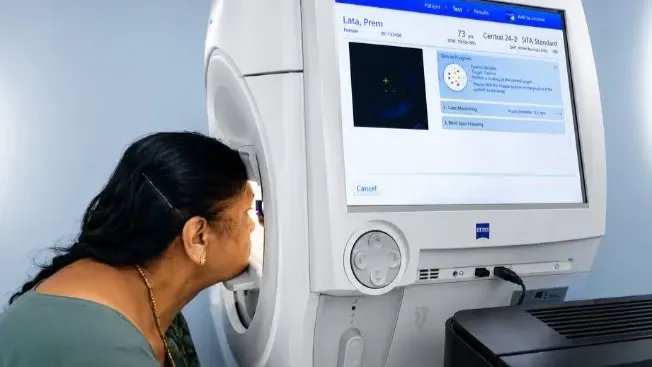
Maps your central and peripheral vision to detect the specific pattern of vision loss caused by glaucoma, often before you notice any change yourself.
Comprehensive History & Family Risk Review
We review your family history, systemic conditions like diabetes or hypertension, and any long-term steroid use, since these all influence your glaucoma risk and treatment plan.
How Is Glaucoma Treatment Performed Step by Step?
Medication & Laser Therapy — Non-Surgical Treatment — For most newly diagnosed patients, glaucoma is first managed with medication, with laser therapy added or used instead when needed. These are typically less invasive and are often tried before surgery is considered.
Eye Drops & Oral Medication
The most common first-line treatment. Drops either reduce fluid production in the eye or improve its drainage, lowering IOP. Must be used exactly as prescribed, even without symptoms.
Selective Laser Trabeculoplasty (SLT)
A laser improves drainage through the eye's trabecular meshwork, lowering eye pressure. Many patients reduce or stop drop dependency after SLT. Done as a quick outpatient procedure.
Laser Peripheral Iridotomy (LPI)
Creates a tiny opening in the iris to relieve blocked drainage in angle-closure glaucoma, or to prevent an attack in narrow-angle eyes. Takes only a few minutes per eye.
Surgical Treatment — Surgical Treatment — Recommended when medication and laser therapy aren't enough to control eye pressure, or in patients who can't reliably use drops. Surgery creates a new pathway for fluid to drain from the eye.
MIGS (Minimally Invasive Glaucoma Surgery)
A newer group of procedures using microscopic devices to improve drainage with less trauma to the eye than traditional surgery, often combined with cataract surgery, with faster recovery.
Trabeculectomy
The gold-standard filtering surgery — creates a new drainage channel under the conjunctiva to let fluid bypass the blocked meshwork. Highly effective at lowering pressure long-term.
Glaucoma Drainage Device (Shunt/AGV)
A small tube implant, such as an Ahmed Glaucoma Valve (AGV), redirects fluid out of the eye. Typically used for complex or previously operated glaucoma cases.
Recovery Timeline After Glaucoma Treatment
What Should You Avoid After Glaucoma Treatment?
Skipping Eye Drops
Never stop or skip your prescribed drops, even without symptoms. Treatment for glaucoma is lifelong and must be used consistently.
Inverted Yoga Poses
Avoid Shirshasana and other head-down inversions, as they can temporarily raise eye pressure. Pranayam and meditation are safe and beneficial.
Drinking Large Fluids Quickly
Gulping large quantities of fluid in one go can spike eye pressure. Sip water throughout the day instead.
Smoking
Smoking is linked to reduced blood flow to the optic nerve and should be avoided entirely if you have glaucoma.
Missing Follow-Up Visits
Even when your pressure is well controlled, regular follow-up is how your doctor catches progression before it affects your vision.
What Is the Difference Between Cataract and Glaucoma?
Cataract (Safed Motia) and Glaucoma (Kala Motia) are often confused because both cause gradual vision changes in older adults — but they affect the eye very differently and need very different treatment.
| Feature | Glaucoma Treatment | Cataract (Safed Motia) |
|---|---|---|
| Affected Part | Damage to the optic nerve | Cloudy lens inside the eye |
| Symptoms | Often no symptoms until advanced | Gradual, noticeable blurred vision |
| Age Association | Can occur at any age | Usually age-related |
| Treatment | Managed, not cured — lowers eye pressure | Treatable and reversible with surgery |
| Vision Outcome | Vision loss is irreversible if untreated | Vision can usually be fully restored |
Affected Part
Symptoms
Age Association
Treatment
Vision Outcome
What Are the Risks and Side Effects of Glaucoma Treatment?
Mild Eye Irritation After Laser
Some redness, light sensitivity, or mild inflammation is common after SLT or LPI laser therapy and typically settles within a few days with anti-inflammatory drops.
Temporary Pressure Spike
A brief rise in eye pressure right after laser or surgery is possible and is monitored closely, with medication adjusted as needed in the days after.
Bleb-Related Issues (After Trabeculectomy)
The filtering "bleb" created during trabeculectomy can occasionally leak or become infected. Regular follow-up allows early detection and management.
Hypotony (Overly Low Pressure)
Surgery can occasionally lower eye pressure too much. This is closely monitored post-operatively and is manageable when caught early.
Infection or Bleeding
As with any intraocular procedure, infection or bleeding is possible but rare at accredited centres following strict sterile protocols and post-op antibiotic care.
Glaucoma Treatment Cost in Delhi
The cost of glaucoma treatment in Delhi depends heavily on your type of glaucoma and the stage at which it's caught — treatment can range from a simple eye drop prescription to advanced surgery. Here is a general overview:
| Type of Glaucoma Treatment | Approx. Cost (Per Eye) |
|---|---|
| Consultation Charges | As applicable |
| Diagnostic Tests (OCT, Perimetry, Gonioscopy, etc.) | As per tests advised |
| Anti-Glaucoma Eye Drops (Monthly) | ₹300 – ₹1,500 /month |
| Selective Laser Trabeculoplasty (SLT) | ₹8,000 – ₹15,000 |
| Laser Peripheral Iridotomy (LPI) | ₹5,000 – ₹10,000 |
| MIGS (Minimally Invasive Glaucoma Surgery) | ₹35,000 – ₹80,000 |
| Trabeculectomy (Filtering Surgery) | ₹25,000 – ₹45,000 |
| Glaucoma Drainage Device (Shunt/AGV) | ₹45,000 – ₹90,000 |
Glaucoma Treatment Cost in Delhi
Doctors for Glaucoma Treatment
Dr. Shuchi Gupta
Lead Glaucoma Specialist at Save Sight Centre with 17+ years of practice in Phacoemulsification, LASIK, Glaucoma & Anterior Segment care.
Dr. Rajeev Jain
Retina, Cataract, LASIK & Uvea Specialist with 25+ years of experience treating patients at Save Sight Centre.
Dr. Ankit Malhotra
Phacoemulsification, LASIK & Anterior Segment Specialist with 8+ years of practice.
Frequently Asked Questions About Glaucoma Treatment
Ready to Book Your Glaucoma Treatment Consultation?
Book your consultation at Save Sight Centre, Delhi. Our expert team will help you understand your condition, recommend the right treatment and guide you through every step.