
Dark Circles: Causes, Types, Treatments & Home Remedies
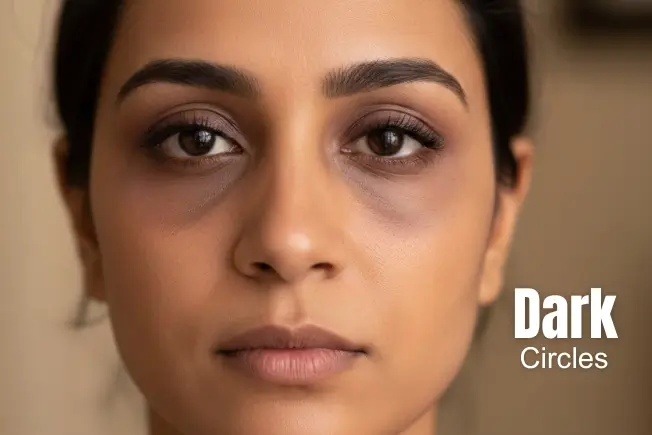
Dark under-eye circles are one of the most common cosmetic complaints, at any age. They can make you look tired or older than you feel — but not every dark circle has the same cause, which is exactly why not every remedy works for everyone.
Quick Answer
Dark circles under the eyes happen when the delicate skin there shows discoloration or shadowing — from visible blood vessels, excess pigment, or hollowing where fat and collagen have thinned. Common causes include genetics, aging, poor sleep, allergies, dehydration, and sun exposure. They're usually cosmetic, not a health concern, but the right fix depends entirely on which type you're dealing with — a cream that lightens pigment won't fix a structural hollow, and a filler for hollowing won't touch pigmentation.
Key Takeaways
- Dark circles come in 4 types — pigmented, vascular, structural, and mixed — and the right treatment depends on which one you have.
- Genetics, aging, poor sleep, allergies, dehydration, sun exposure, and habits like rubbing your eyes, smoking or drinking all contribute.
- Home remedies (sleep, cold compress, hydration) help mild cases; skincare ingredients like caffeine, vitamin C and retinol offer modest additional benefit.
- Medical treatments — chemical peels, laser therapy, dermal fillers, PRP, microneedling, blepharoplasty — target more persistent or structural cases.
- Dark circles are usually cosmetic, but a sudden change in just one eye, or circles alongside fatigue and other symptoms, deserves a doctor's opinion.
- Daily sun protection is one of the most underrated ways to prevent dark circles from getting worse over time.
What Are the 4 Types of Dark Circles?
Understanding which type you have is the single most useful thing you can do before choosing a treatment — a cream that works beautifully for pigment does nothing for a structural hollow.
Pigmented
Caused by excess melanin in the skin, often linked to genetics or long-term sun exposure. More common in people with naturally darker skin tones.
Vascular
Caused by visible blood vessels and poor circulation showing through thin under-eye skin — often linked to fatigue, allergies or dehydration.
Structural
Caused by loss of fat and collagen with age, creating a hollow (tear trough) that casts a shadow — this is a volume issue, not a pigment one.
Mixed
A combination of the above — very common, and usually needs more than one type of treatment addressed together for real improvement.
Who Is Most Likely to Get Dark Circles?
Elderly people — natural thinning of skin and volume loss make dark circles more visible with age.
People with a family history — dark circles can run in families, independent of lifestyle.
People with darker skin tones — naturally higher melanin levels in the under-eye area increase susceptibility to pigmented dark circles.
Heavy screen users — long hours of screen time contribute to eye strain and fatigue that can make circles more noticeable.
That said, dark circles affect people of every age, skin tone and background — these groups are simply more prone to them.
What Causes Dark Circles?
To choose the right treatment, it helps to understand what's actually driving your dark circles. Here are the primary factors:
Genetics & Skin Tone
Some people are simply predisposed to dark circles by heredity — if your parents had them, you're more likely to as well.
Thin Skin & Aging
Skin under the eyes is the thinnest on your body, and it thins further with age as collagen and fat are lost — making blood vessels beneath more visible.
Sleep Deprivation & Fatigue
Poor sleep makes skin look paler, so blood vessels beneath show through more, and fluid can pool around the eyes, casting shadows.
Allergies & Nasal Congestion
Histamines released during allergic reactions make blood vessels more visible and swollen; sinus congestion can cause blood pooling under the eyes.
Dehydration
When the body lacks water, skin under the eyes looks dull and flattened, making the area's natural hollowness more evident.
Eye Rubbing & Dermatitis
Rubbing or scratching your eyes can cause swelling and broken capillaries; skin conditions like eczema can dilate blood vessels beneath the eyes too.
Sun Exposure
UV exposure triggers extra melanin production, gradually deepening pigmentation in the delicate under-eye area over time.
Smoking, Alcohol & Stress
These lifestyle factors affect skin health and circulation, and can make existing dark circles look more pronounced over time.
What Vitamin Deficiencies Are Linked to Dark Circles?
Iron deficiency anaemia is one of the most well-known nutritional links to dark circles, since reduced oxygen delivery to tissue makes the area look darker. Vitamin K supports healthy blood clotting and can reduce a bruise-like appearance; Vitamin C supports collagen, keeping under-eye skin thicker and less prone to shadowing; and Vitamin B12 supports red blood cell production, with low levels linked to darkened skin around the eyes.
How Can You Get Rid of Dark Circles at Home?
Improve sleep quality
Aim for 7-9 hours nightly, and try an extra pillow so fluid doesn't pool under your eyes overnight.
Cold compress
Cold spoons or a chilled compress for 10-15 minutes constrict blood vessels and reduce puffiness and discoloration.
Cucumber slices
Chilled cucumber for about 10 minutes soothes and hydrates the area, thanks to its water and vitamin C content.
Cold tea bags
Caffeinated green or chamomile tea bags, chilled, can improve circulation and reduce swelling — leave on for 10-15 minutes.
Almond oil & Vitamin E
Gently massaged in at bedtime and rinsed off in the morning, this combination may support skin health with regular use.
Stay hydrated
Adequate daily water intake keeps under-eye skin looking plump rather than dull and sunken.
Daily sun protection
Sunscreen and UV sunglasses, even on cloudy days, protect this sensitive skin and prevent worsening pigmentation.
What skincare ingredients actually help? Look for eye creams containing caffeine, vitamin C, hyaluronic acid, or retinol — these are the ingredients most commonly linked to visible improvement in under-eye appearance. That said, evidence for over-the-counter creams is genuinely modest, and everybody responds differently, so you may need to try a few formulations before finding one that helps. Consistent use for 4-12 weeks is typically needed before judging whether a product is working.
What Medical Treatments Are Available for Stubborn Dark Circles?
Chemical Peels
Light peels using glycolic acid or other alpha-hydroxy acids lighten pigmentation and improve skin texture around the eyes.
Laser Therapy
Targets pigmentation and stimulates collagen production; fractional lasers, IPL, and Q-switched lasers are options for stubborn pigmentation.
Dermal Fillers
Hyaluronic acid injections fill hollow tear troughs — the go-to treatment for structural dark circles, lasting roughly 9-12 months.
PRP Therapy
Platelet-rich plasma injections use your own blood to repair skin, speed vessel growth, and strengthen collagen around the eyes.
Microneedling
Tiny needles trigger collagen production and improve topical absorption, thickening thin under-eye skin over time.
Blepharoplasty (Eyelid Surgery)
For cases driven by excess fat or skin, surgical removal or repositioning addresses the structural cause directly rather than the pigment.
How Can You Prevent Dark Circles From Getting Worse?
Protect from the sun year-round
Daily sunscreen and UV sunglasses are one of the most underrated ways to prevent worsening pigmentation.
Keep a consistent sleep schedule
Going to bed on time and getting at least 7 hours nightly reduces the shadowing fatigue causes.
Manage stress
Regular relaxation or self-care time helps limit stress-related skin changes.
Cut back on alcohol and smoking
Both reduce circulation and accelerate skin aging around the eyes.
Reduce screen time where possible
Frequent breaks limit the eye strain and fatigue that make dark circles more noticeable.
When Should You See a Doctor?
Dark circles are usually a cosmetic issue, but it's better to consult a healthcare professional if you notice:
- Sudden or rapid enlargement of the circles
- Swelling (oedema) around the eyes
- Discoloration limited to just one eye
- Any pain or vision changes accompanying the discoloration
- Dark circles alongside fatigue, weakness, or other symptoms that could point to anaemia or a systemic condition
A dermatologist can assess pigmentation or structural causes and recommend targeted treatment, while a general physician can run tests to rule out an underlying health issue.
Why Do Babies and Children Get Dark Circles?
Children can develop dark circles for many of the same reasons adults do — the skin under their eyes is thin and sensitive, so blood vessels show through more easily. Common causes include genetics, rubbing their eyes, fatigue, dehydration, allergies, or even a minor illness like a cold, flu, or ear infection. If dark circles in your child are persistent or seem to be getting worse, it's worth mentioning to their paediatrician.
Dr. Rajeev Jain, Director, Save Sight Centre
"We see so many patients who've tried multiple over-the-counter creams with no real result — simply because the actual cause, whether structural hollowing, pigmentation, or a vascular issue, was never properly identified. Two patients rarely have the exact same underlying cause, which is why we always start with a detailed, individual evaluation. We also stress year-round sun protection for the periorbital area, since UV damage is one of the most under-appreciated long-term causes of pigmentation around the eyes. Combined with the right clinical treatment plan, that alone makes a meaningful difference."
Frequently Asked Questions About Dark Circles
The most prevalent causes of dark circles are lack of sleep, ageing, and skin thinning, which is caused by genes. However, allergies, dehydration, sun, and iron deficiency can also play a big role.
Permanent removal is possible depending on the cause of the dark circles. Dark circles due to pigmentation can be chronic and can be treated with laser, chemical peel, or routine topical application. Structural dark circles from sunken eyes respond well to dermal fillers, but these have to be replenished regularly.
One of the most well-known nutritional links to dark circles is iron deficiency (anaemia), since reduced oxygen delivery to tissue makes the area look darker. Deficiencies in Vitamin K, Vitamin C, and Vitamin B12 are also linked to dark circles.
Timelines vary depending on the cause and the treatment used. Lifestyle changes like better sleep and hydration can show improvement within a few weeks. Topical treatments with Vitamin C or retinol typically need four to twelve weeks of consistent use before results appear.
Dark circles are usually cosmetic and depend on genetics, lifestyle, or age rather than a critical health problem. However, they can sometimes be linked to an underlying condition, including iron deficiency anaemia, thyroid problems, chronic allergies, or kidney issues.
Dark circles are generally classified into four types: pigmented (caused by excess melanin), vascular (caused by visible blood vessels), structural (caused by hollowing from lost fat and collagen), and mixed, which is a combination of more than one type. The right treatment depends on identifying which type — or combination — you have.
Caffeine applied topically, such as in cold tea bags or caffeine-containing eye creams, can temporarily constrict blood vessels and reduce puffiness, which may make vascular dark circles look less prominent. It works on the surface appearance and doesn't address genetic or structural causes.
Not usually. While dark circles are occasionally associated with liver or kidney issues, they're far more commonly caused by genetics, lifestyle factors, and normal skin ageing. If dark circles appear alongside other symptoms like fatigue, jaundice, or swelling, it's worth getting checked by a doctor.
Children can develop dark circles for similar reasons as adults — the skin under their eyes is thin and sensitive, so blood vessels show through more easily. Common causes include genetics, eye rubbing, fatigue, dehydration, allergies, or a minor illness such as a cold or ear infection. Persistent or worsening dark circles in a child are worth mentioning to their doctor.
Not Sure What's Causing Your Dark Circles?
Get a proper evaluation at Save Sight Centre, Adarsh Nagar, North Delhi. NABH & ISO accredited · 25+ years · 1,70,000+ patients treated.
Disclaimer: For general awareness only, not medical advice. Please consult a doctor to determine the best procedure for your eyes. Results vary by person. Figures cited are approximate and based on general clinical patterns and published research.