
 +91-7873-222-000
 WhatsApp

 Book Appointment
Yellow Eyes (Jaundice): Causes, Symptoms & Treatment
Noticing a yellow tint in the whites of your eyes in the mirror? This isn't something to explain away or wait out. Yellow eyes are one of the earliest visible signs of jaundice — a signal that your liver, gallbladder, blood or pancreas needs attention. Here's what it actually means and what to do next.


Quick Answer
Yellow eyes happen when the whites of your eyes (the sclera) take on a yellow tint from too much bilirubin building up in your blood — a condition called jaundice. It usually points to a problem with your liver, gallbladder, bile ducts, blood, or pancreas, not the eyes themselves. Yellow eyes are a warning sign, not a diagnosis — you need blood tests and often an ultrasound to find the actual cause. Sudden or worsening yellowing, especially with fatigue, abdominal pain, dark urine or weight loss, needs prompt medical attention.
Key Takeaways
- Yellow eyes are caused by excess bilirubin, most often from a liver, gallbladder, blood, or pancreas problem.
- They're not a diagnosis by themselves — blood tests and imaging are needed to find the actual cause.
- A yellow spot on just part of the eye is usually something different (a pinguecula), not true jaundice.
- Newborn babies commonly get mild, temporary jaundice — but it should still be monitored.
- Sudden yellowing, abdominal pain, dark urine, or weight loss are red flags needing prompt care.
- Once the underlying cause is treated, yellow eyes usually resolve.
What Do "Yellow Eyes" Actually Mean?
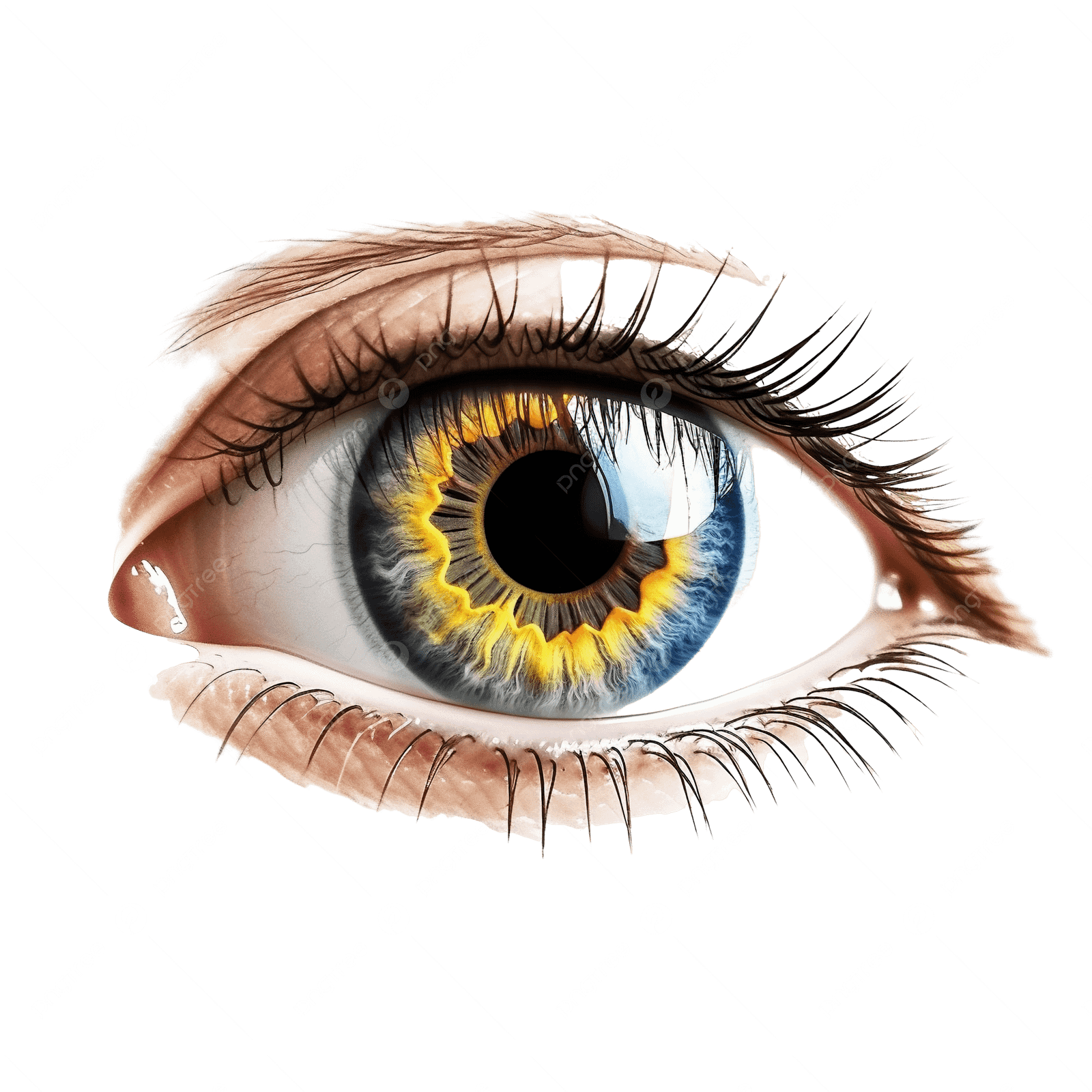
The sclera — the white part of your eye — should normally be white or very close to it. When it turns yellow, that's most commonly a sign that your body is producing or retaining too much of a pigment called bilirubin.
Bilirubin forms naturally when old red blood cells break down. Your liver is supposed to collect this pigment, convert it into bile, and send it to your intestines to be eliminated. If that pathway gets blocked or overwhelmed at any point, bilirubin builds up in your blood, skin and eyes — turning them yellow. This is called jaundice, and the medical term for the eye finding specifically is scleral icterus.
Yellow Eyes vs a Yellow Spot on the Eye — Are They the Same?
No, and this mix-up is common. True yellow eyes (jaundice) means the entire white of the eye takes on a yellow tint, from a body-wide buildup of bilirubin. A yellow spot or raised patch on just part of the eye — often near the iris — is more likely a pinguecula: a harmless, localised deposit linked to sun and wind exposure, unrelated to your liver or blood. An eye specialist can tell the difference quickly on examination, which is exactly why an eye check is a useful first step even though the underlying cause is usually systemic.
What Are the Main Causes of Yellow Eyes?
Yellow eyes usually trace back to trouble in one of four systems — liver, gallbladder/bile ducts, blood, or pancreas — plus a few other contributing factors:
Hepatitis, Cirrhosis & Fatty Liver Disease
Inflammation or scarring of the liver reduces its ability to clear bilirubin properly, letting the pigment build up in the blood.
Heavy Alcohol Use
Long-term heavy drinking damages liver tissue over time, impairing its bilirubin-processing capacity.
Gallstones or Bile Duct Blockage
Stones, inflammation, strictures or tumours can block bile ducts, trapping bilirubin in the body — often with dark urine and pale stools alongside.
Haemolytic Anaemia
When red blood cells break down faster than normal, the liver gets overwhelmed by the extra bilirubin, even without any liver disease itself.
Malaria
The malaria parasite destroys red blood cells rapidly, releasing large amounts of bilirubin — a genuinely common cause of jaundice in India, alongside fever and chills.
Pancreatic Conditions
Pancreatitis or a tumour at the head of the pancreas can compress the nearby bile duct, causing jaundice alongside weight loss and back pain.
Genetic Conditions (e.g. Gilbert's Syndrome)
Some inherited conditions affect how the body processes bilirubin, causing mild, recurring yellowing that's usually harmless but should still be confirmed by a doctor.
Medications
Certain antibiotics, anti-tuberculosis drugs, and high doses of paracetamol can affect liver function and cause jaundice as a side effect.
Can Newborn Babies Get Yellow Eyes Too?
Yes, and it's extremely common. A newborn's liver is still maturing in the first days of life and isn't yet fully efficient at clearing bilirubin, causing mild, temporary jaundice in many healthy babies. Most cases resolve on their own or with simple light therapy (phototherapy) under medical supervision, and breastfeeding can help by promoting bilirubin excretion. However, jaundice appearing very early, worsening rapidly, or lasting beyond two weeks should be evaluated promptly by a paediatrician — it isn't something to just watch and wait on indefinitely.
What Symptoms Often Come With Yellow Eyes?
What Warning Signs Should You Never Ignore?
Don't "wait for it to settle on its own." Get medical attention promptly if yellow eyes appear:
- Suddenly, or are rapidly worsening
- Alongside severe abdominal pain
- With dark urine or pale, clay-coloured stools
- Together with unexplained fatigue or weight loss
- In a newborn, especially if it appears very early or worsens quickly
How Do Doctors Diagnose the Cause of Yellow Eyes?
Yellow eyes are a sign, not a final diagnosis. Doctors typically start with:
- A thorough history and physical examination
- Liver function tests, including how well the liver processes bilirubin
- A complete blood count (CBC) to check for anaemia or haemolysis
- An ultrasound of the liver and gallbladder to check for stones, inflammation or obstruction
- A liver biopsy, in select cases where liver disease is suspected
Can Yellow Eyes Be Prevented?
- Avoid or strictly limit alcohol
- Limit fatty, highly processed foods and eat a balanced diet
- Exercise regularly and stay well hydrated
- Never self-medicate with unprescribed drugs or liver-toxic supplements
- Get vaccinated against Hepatitis A and B
- Practise good hygiene to reduce risk of infections like hepatitis A and malaria
What Is the Treatment for Yellow Eyes?
- Diagnostic workup: blood tests, liver function tests, and imaging to pinpoint the exact source of the bilirubin buildup
- Treating the underlying condition: medication, rest and dietary changes for liver infections, fatty liver, or inflammation
- Gallbladder or bile duct treatment: medication or surgery for stones or blockages, as needed
- Supportive home care: adequate hydration, simple home-cooked food, and rest to support liver recovery alongside medical treatment
- Avoiding alcohol and self-medication: both put further strain on an already struggling liver
Why Should You See an Eye Specialist for Yellow Eyes, Not Just a Physician?
Jaundice is fundamentally a systemic problem, but your eyes are often the first place it becomes visible. An eye specialist can confirm that the sclera is genuinely yellow — rather than dry, irritated, or affected by a localised issue like a pinguecula — and rule out local eye conditions that might mimic yellowness. At Save Sight Centre, we treat yellow eyes as a genuine concern and will refer you to a physician or gastro-hepatology specialist for further investigation, since coordinated care between eye and internal medicine specialists is what actually protects both your sight and your general health.
Is Yellowing of the Eyes Reversible?
Yes, in most cases. Once the underlying cause — a liver infection, a gallstone blockage, or a blood disorder — is properly treated, the yellowing typically resolves as bilirubin levels return to normal. If liver damage is advanced or chronic, some degree of yellowing may persist or only partially improve, depending on how much the liver is able to recover.
Dr. Rajeev JainDirector · Retina, Cataract, LASIK & Uvea Specialist
"Patients are often surprised that an eye hospital is the one telling them to get their liver checked — but the eyes really are one of the earliest, most visible warning signs the body gives us. If you notice yellowing, especially with fatigue, abdominal pain or dark urine, please don't wait to see if it settles. An eye consultation can be the first step toward the right diagnosis, at the right time."
Frequently Asked Questions About Yellow Eyes
Yellowing of the eyes is usually a sign of jaundice, caused by excess bilirubin building up in the blood. This most often points to a problem with the liver, gallbladder, bile ducts, blood, or pancreas, and generally needs medical evaluation to identify the exact cause.
Not always, but persistent yellow eyes usually indicate some problem with the liver or bile ducts that needs medical examination. Some causes are harmless and lifelong, while others need prompt treatment — which is why any new or persistent yellowing should be checked.
No. Poor sleep or screen time can cause redness, dryness or dullness, but true yellowing of the sclera is a sign of an internal health issue, not eye strain or fatigue.
Seek medical attention promptly if yellow eyes appear suddenly, worsen quickly, or come with fatigue, abdominal pain, dark urine, pale stools, or unexplained weight loss.
Yes, in most cases, once the underlying cause is properly treated, the yellowing typically resolves. If liver damage is advanced or chronic, some yellowing may persist or only partially improve.
A significant vitamin B12 deficiency can occasionally contribute through its effect on red blood cell breakdown, but this is uncommon. Most cases come from liver disease, bile duct problems, or blood disorders rather than a simple vitamin deficiency.
Yes. Gallstones or tumours blocking the bile ducts prevent bilirubin from draining normally, causing it to build up and turn the eyes yellow, often with abdominal pain, dark urine and pale stools.
True yellow eyes (jaundice) means the entire white of the eye takes on a yellow tint. A yellow spot on just part of the eye is more likely a pinguecula — a harmless, localised deposit related to sun and wind exposure, not a systemic issue. An eye specialist can tell the two apart on examination.
Yes, newborn jaundice is very common, caused by a baby's liver still maturing. Most cases are mild and resolve on their own or with light therapy. Jaundice appearing very early, worsening quickly, or lasting beyond two weeks should be evaluated promptly.
Yes. The malaria parasite destroys red blood cells at a faster rate than normal, releasing large amounts of bilirubin that can overwhelm the liver's processing capacity and cause jaundice, alongside fever and chills.
Yes — "scleral icterus" is simply the medical term for the yellow discoloration of the white of the eye caused by jaundice. "Yellow eyes" is the everyday name for the same finding.
Typically a physical examination, blood tests to measure bilirubin and liver enzyme levels, a complete blood count, and imaging such as an abdominal ultrasound. A liver biopsy may occasionally be needed if liver disease is suspected.
Noticing Yellow Eyes in the Mirror?
Get an eye evaluation and the right specialist referral at Save Sight Centre, Adarsh Nagar, North Delhi. NABH & ISO accredited · 15+ years · 1,70,000+ patients treated.
Disclaimer: The information on this site should not be considered medical advice. Please consult a doctor to determine the exact cause and appropriate treatment for your condition. Results may vary from person to person.