

 +91-7873-222-000
 WhatsApp

 Book Appointment
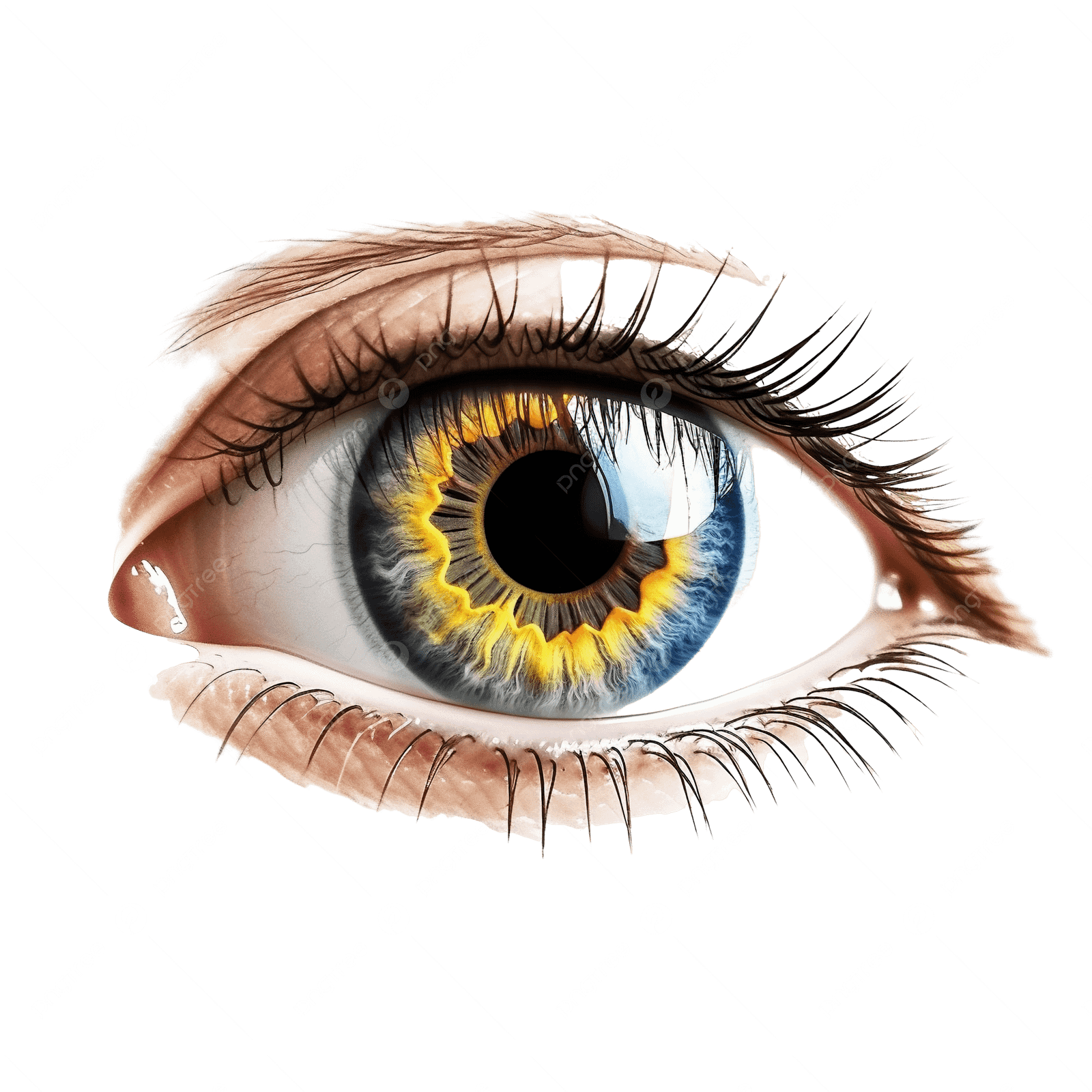
Myopia (Nearsightedness): Causes, Symptoms, Types & Treatment Options
If you can read the fine print on your phone without any trouble but road signs, bus numbers and the classroom board turn into a blur, that's myopia — one of the most common vision problems in students, young professionals and screen-heavy households. Here's what actually causes it, how to spot it early, and every treatment option worth knowing about.

Quick Answer
Myopia, commonly called nearsightedness, is a refractive error where distant objects look blurry while close-up objects stay clear. It happens because the eyeball is slightly too long, or the cornea too curved, so light focuses just in front of the retina instead of directly on it. It's usually caused by a mix of genetics and too much close-up screen or reading work with too little time outdoors. Myopia can't be reversed, but it's very manageable — with glasses, contact lenses, Ortho-K, low-dose atropine for children, or laser surgery like LASIK and ICL for adults.
Key Takeaways
- Myopia makes distant objects blurry while near objects stay clear — it's caused by the eye being too long or the cornea too curved.
- Genetics and excessive near work (screens, reading) with limited outdoor time are the two biggest drivers.
- Myopia usually progresses through childhood and the teen years and stabilises by the early twenties.
- High myopia raises the risk of serious complications like retinal detachment, glaucoma and myopic macular degeneration.
- Glasses and contact lenses remain the safest first-line treatment for any age; LASIK and ICL are options for eligible adults.
- For children, Ortho-K lenses and low-dose atropine drops can help slow how fast myopia progresses.
Figures are general clinical guidance and can vary from person to person; your eye specialist can confirm what applies to you.
What Exactly Is Myopia (Nearsightedness)?
Myopia is an eye condition where far-away objects look blurred while near objects — books, phones, laptop screens — stay relatively sharp. This happens when the eyeball grows a little too long from front to back, or when the cornea (the clear front surface of the eye) is more steeply curved than it should be. Either way, light entering the eye ends up focusing just in front of the retina instead of directly on it, which is what turns distant objects into a blur. Myopia is measured in diopters and written with a minus sign, like -3.00 — the bigger the number, the more nearsighted you are.
How Is Myopia Different From Other Vision Problems?
Myopia specifically blurs distance vision while near vision stays clear — that's what sets it apart from hyperopia (farsightedness), where it's the opposite, and from astigmatism, which blurs vision at every distance due to an irregular corneal curve. It's common to have myopia and astigmatism together, and both are corrected with the right lens prescription.
What Are the Symptoms of Myopia?
In children, myopia can look a little different since kids often don't realise their vision is off. Watch for sitting very close to the TV, holding books or tablets close to the face, a sudden dip in school performance, or a shortened attention span — all of these are worth getting checked rather than assumed to be a habit.
What Are the Types and Degrees of Myopia?
Myopia isn't one-size-fits-all — the degree matters for both your prescription and your long-term eye health risk:
Low Myopia
Up to -3.00 DThe most common and mildest form. Easily corrected with glasses or contact lenses, and generally carries little extra risk to long-term eye health.
Moderate Myopia
-3.00 to -6.00 DNoticeably blurrier distance vision that needs a stronger prescription. Still very manageable, though worth regular monitoring, especially in children whose power may still be changing.
High (Pathological) Myopia
Above -6.00 DThe eyeball has stretched significantly, which thins the tissue at the back of the eye. Comes with a genuinely higher risk of complications and needs regular retinal check-ups, not just an updated prescription.
What Causes Myopia?
Myopia usually develops from a combination of the following factors, rather than any single cause:
Family History (Genetics)
If one or both parents are myopic, a child's risk goes up significantly. Genes influence how the eye develops, including how much the eyeball elongates during growth.
Increased Screen Time
Long hours on phones, tablets or laptops keep the eyes focused up close for extended periods, which is linked to myopia starting earlier and progressing faster in children and young adults.
Eye Shape and Growth
Sometimes the eye simply grows longer than typical, or the cornea develops a steeper curve. This structural change moves the focal point in front of the retina.
Prolonged Close-Up Work
Reading too closely, studying for long stretches without breaks, or leaning over small print strains the eyes and can accelerate myopia, particularly during school-age years.
Inadequate Lighting and Poor Posture
Using a screen in the dark or holding it too close adds extra strain on the eyes over time, which can contribute to myopia developing or worsening without you noticing right away.
Limited Outdoor Time
Children who spend less time outdoors in natural light appear to be at higher risk of developing myopia — researchers believe outdoor light exposure itself helps regulate healthy eye growth.
Does Myopia Get Worse With Age?
Often, yes — especially through childhood and the teenage years, when the body (and the eyes) are still growing. Myopia typically levels off by the early twenties. That said, adults can occasionally develop new or worsening myopia too, usually linked to prolonged visual stress or an underlying condition like uncontrolled diabetes or early cataract changes — which is why sudden changes in adult vision are always worth a proper check-up.
What Complications Can High Myopia Cause?
Low to moderate myopia rarely causes problems beyond needing a prescription. But high myopia stretches the back of the eye and raises the risk of:
- Retinal detachment — the thinned retina becomes more prone to tearing or pulling away
- Myopic macular degeneration — progressive damage to the central retina affecting sharp vision
- Early cataracts — the eye's natural lens can cloud up sooner than usual
- Glaucoma — raised risk of pressure-related optic nerve damage
This is exactly why people with high myopia need regular dilated retinal exams, not just periodic glasses updates.
What Are the Treatment Options for Myopia?
Myopia doesn't mean you have to live with blurry vision — it means your eyes need help focusing light correctly on the retina. Here are the main options:
Eyeglasses
The simplest, safest and most widely used option. Negative-power lenses shift the focus back onto the retina and suit any age.
Contact lenses
Offer a wider field of view than glasses; good for sports and active lifestyles. See our contact lens clinic for fitting and hygiene guidance.
Orthokeratology (Ortho-K)
Special lenses worn overnight that gently reshape the cornea, giving clear daytime vision without glasses — and can help slow myopia progression in children. Learn more about Ortho-K lenses.
Low-dose atropine drops
Used specifically for children, these drops can help slow how fast myopia worsens when started early and monitored regularly by a doctor.
What Is Laser Eye Surgery for Myopia — and How Do LASIK and ICL Compare?
Laser and lens-based surgery are among the most effective options for moderate to high myopia, reshaping how the eye focuses light so it lands properly on the retina. Many adults choose this route to reduce or eliminate their dependence on glasses and contacts for daily life, driving and sport.
| Feature | LASIK | ICL |
|---|---|---|
| How it works | Reshapes the cornea with a laser | Implants a lens inside the eye |
| Best suited for | Mild-to-moderate myopia, adequate corneal thickness | High myopia or thin corneas |
| Corneal tissue removed | Yes | No |
| Reversible | No | Yes |
| Typical recovery | Clear vision often within 24–48 hours | Similarly quick, doctor-monitored |
Who Is Eligible for Laser Eye Surgery?
Not everyone with myopia qualifies for surgery straight away. Eye specialists typically check:
- Age: Usually 18 years or older
- Stable eye power: Your prescription should be unchanged for at least a year
- Corneal thickness: Must be sufficient for safe reshaping (for LASIK specifically)
- Overall eye health: No severe dry eye, corneal disease or active retinal problems
Tip: A comprehensive eye exam — not just a vision check — is the only reliable way to know which treatment fits your eyes. Skipping this step is how people end up with the wrong lens or an unnecessary surgery consult.
Can Myopia Be Slowed or Prevented?
You can't change your genes, but you can meaningfully influence how fast myopia develops or progresses:
- Follow the 20-20-20 rule — look 20 feet away for 20 seconds every 20 minutes of near work
- Limit recreational screen time, especially for young children
- Encourage at least 90 minutes to 2 hours outdoors every day
- Keep screen brightness and lighting well balanced — never work in the dark
- Maintain a good posture and reading distance during study or screen use
- Eat a balanced diet rich in vitamins and omega-3 fatty acids to support overall eye health
When Should You See an Eye Specialist?
Book an eye exam if:
- Distant objects look blurry, or you find yourself moving closer to see things clearly
- You or your child squint often, or get headaches when looking into the distance
- Your current glasses no longer give clear vision at a distance
- You notice sudden flashes, floaters, or a shadow in your side vision — these need urgent attention, especially with high myopia
Dr. Rajeev JainDirector · Retina, Cataract, LASIK & Uvea Specialist
"Most parents come in worried the moment they hear the word 'myopia,' but the truth is it's one of the most manageable conditions we treat. What matters most is catching it early and monitoring how fast it's progressing, especially in children, so we can choose the right combination of correction and control — rather than just updating a prescription every year and hoping it slows down on its own."
Frequently Asked Questions About Myopia
Myopia, or nearsightedness, is a condition where you can see nearby objects clearly but distant objects appear blurry. It happens because the eyeball is slightly longer than normal, or the cornea is too curved, so light entering the eye focuses just in front of the retina instead of directly on it.
Myopia is measured in diopters and shown as a negative number, like -2.00 or -5.00. The bigger the number, the more nearsighted you are and the stronger your lenses need to be to focus light correctly on your retina. Numbers below -3.00 are usually considered mild, -3.00 to -6.00 moderate, and above -6.00 high myopia.
The physical elongation of the eyeball that causes myopia cannot be reversed. However, your vision can be corrected very effectively with glasses, contact lenses, or in adults with stable eye power, procedures like LASIK or ICL, which allow clear distance vision without needing to change the eye's underlying shape.
Yes, genetics play a major role. If one parent has myopia, a child's risk increases; if both parents have it, the risk is higher still. That said, genetics isn't the only factor — lots of near work, screen time, and limited outdoor time can bring on or worsen myopia even in children with no family history.
It often does during childhood and the teenage years, especially during growth spurts, and it typically levels off by the early twenties. Adults can occasionally develop new or worsening myopia too, usually linked to prolonged visual stress or an underlying condition like diabetes or early cataracts.
It's less common than childhood-onset myopia, but yes, it can happen. Adult-onset myopia is usually linked to health conditions such as uncontrolled diabetes or early cataract changes, or to sustained close-up visual strain. If your distance vision suddenly worsens as an adult, it's worth getting checked rather than assuming it's just tiredness.
In high myopia, the eyeball stretches more than normal, which thins and stresses the tissues at the back of the eye. This raises the risk of serious complications including retinal detachment, myopic macular degeneration, early cataracts, and glaucoma — all of which can threaten vision if not monitored and treated in time.
Myopia means distance vision is blurry because the eye is too long or the cornea too curved. Astigmatism is a different, irregular curve in the cornea or lens that blurs vision at all distances, near and far. The two conditions often occur together and are both correctable with the right glasses or contact lens prescription.
You can't change genetics, but you can lower the risk and slow progression. Spending at least 90 minutes to 2 hours outdoors daily, following the 20-20-20 rule during close-up work, limiting recreational screen time, and ensuring good lighting all help. For children with fast-progressing myopia, doctors may also recommend Ortho-K lenses or low-dose atropine drops.
There's no single best option — it depends on your age, lifestyle, eye power stability, and corneal health. Glasses are the safest and simplest choice at any age. Contact lenses suit active lifestyles. LASIK or ICL are considered for adults with stable myopia who want long-term freedom from glasses, after a full eligibility check.
LASIK and other refractive surgeries are generally only offered to adults aged 18 and above, and only once your eye power has been stable for at least a year. Your eye specialist will also check your corneal thickness and overall eye health before confirming you're a suitable candidate.
Struggling to See the Board, the Road, or Anything Far Away?
Get a proper diagnosis and the right correction plan at Save Sight Centre, Adarsh Nagar, North Delhi. NABH & ISO accredited · 15+ years · 1,70,000+ patients treated.
Disclaimer: For general awareness only, not medical advice. Please consult an eye specialist at Save Sight Centre for a proper diagnosis and treatment plan tailored to your eyes. Results vary by person. Figures cited are approximate and based on general clinical patterns.