

 +91-7873-222-000
 WhatsApp

 Book Appointment

Eye Flu (Conjunctivitis): Symptoms, Causes, Treatment & Prevention
Red, itchy, watery eyes that seem to be going around your whole household or office? That's eye flu — one of the most common, most contagious eye conditions, especially during the monsoon. Here's how to spot it, what actually helps, and when it needs more than a home remedy.

Quick Answer
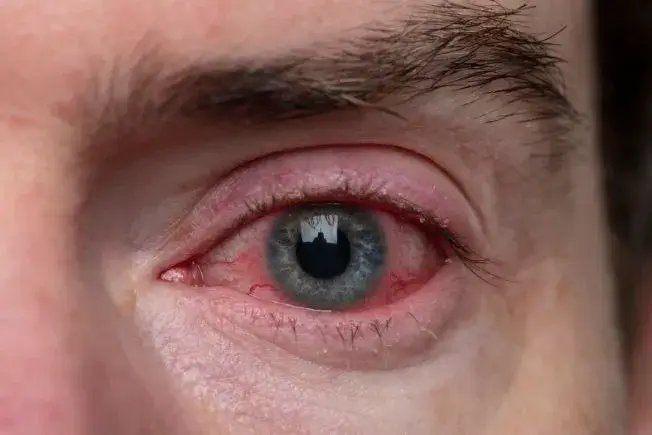
Eye flu, medically called conjunctivitis, is inflammation of the conjunctiva — the thin membrane covering the white of your eye and the inside of your eyelids. It's usually caused by a virus, sometimes bacteria, and occasionally an allergy, and spreads easily through touch, shared items, or close contact — never just by looking at someone. Most cases clear up in 10-15 days with simple home care, but persistent, painful, or worsening symptoms need a proper eye check.
Key Takeaways
- Eye flu (conjunctivitis) can be viral, bacterial, or allergic — and the right treatment depends on which one you have.
- It spreads through touch and shared items, not through eye contact or air.
- Most cases resolve in 10-15 days with rest, hygiene, and simple home care.
- Never self-medicate with random eye drops — the wrong drop can worsen infection or delay healing.
- Thick discharge, severe pain, blurred vision, or symptoms lasting over a week need a doctor's evaluation.
- Redness is one of the most common eye complaints doctors see — a significant share turns out to be conjunctivitis.
Figures are approximate, based on general clinical patterns seen across Indian eye clinics, and can vary by season and outbreak.
What Exactly Is Eye Flu (Conjunctivitis)?
Eye flu is the common name for conjunctivitis — inflammation of the conjunctiva, the thin, clear membrane covering the white part of your eye and the inner surface of your eyelids. When this membrane gets infected or irritated, the tiny blood vessels in it swell up, which is exactly why your eyes look pink or red. It's sometimes also called "Madras eye" or "pink eye," and tends to spike during warm, humid weather and the monsoon season, when it can spread quickly through families, classrooms and offices.
Is Eye Flu the Same as Pink Eye?
Yes — "eye flu," "conjunctivitis" and "pink eye" all refer to the same condition, just different names used in different regions. In India, "eye flu" and "Madras eye" are the common everyday terms; "conjunctivitis" is the medical name; "pink eye" is more commonly used internationally.
What Are the Three Types of Eye Flu — and How Are They Different?
Not all eye flu is the same, and knowing which type you likely have changes how it should be treated:
Viral Conjunctivitis
ContagiousThe most common type, usually from adenovirus. Watery discharge, often starts in one eye then spreads to the other, frequently alongside a cold or sore throat. Spreads very easily — this is what most "eye flu outbreaks" actually are.
Bacterial Conjunctivitis
ContagiousCaused by bacteria like Staphylococcus or Haemophilus influenzae. Thick, yellow-green, sticky discharge that often crusts the eyelids shut overnight. Needs antibiotic drops to clear properly.
Allergic Conjunctivitis
Not ContagiousA reaction to pollen, dust, pet dander or other allergens. Intense itching and watery discharge, usually in both eyes at once, without the pain typical of infection. Treated with antihistamines, not antibiotics.
How Do You Know If It's Viral, Bacterial, or Allergic?
| Clue | Viral | Bacterial | Allergic |
|---|---|---|---|
| Discharge | Watery | Thick, yellow-green | Watery, stringy |
| Eyes affected | One, then both | Often one first | Both, together |
| Itching | Mild | Mild | Intense |
| Other symptoms | Cold, sore throat | Crusted lashes | Sneezing, allergies |
| Contagious? | Yes | Yes | No |
This is a general guide — an eye specialist can confirm the exact type on examination, which matters since the treatment is different for each.
What Are the Symptoms of Eye Flu?
Some people also get a mild fever, sore throat, cough or headache alongside eye symptoms — this usually points to a viral infection affecting more than just the eyes.
What Warning Signs Should You Never Ignore?
Most eye flu is mild and self-resolving. But get checked promptly if you notice:
- Thick, worsening discharge that keeps building up despite cleaning
- Blurred or reduced vision — not just watery haziness that clears with a blink
- Significant eye pain, not just irritation or grittiness
- Severe light sensitivity that makes it hard to keep your eyes open
- Symptoms lasting more than a week without improvement
How Does Eye Flu Spread?
Conjunctivitis spreads through direct contact — touching an infected person's tears or eye discharge, shaking hands and then touching your own eyes, or using shared items like towels, pillows or makeup. Even rubbing your eyes after touching a contaminated surface, like a door handle or phone, can pass on the infection. It does not spread just by looking at someone or through the air.
How Can You Prevent Eye Flu From Spreading?
- Wash your hands often — soap and water for at least 20 seconds, especially after touching shared surfaces
- Avoid touching or rubbing your eyes, even if they feel itchy
- Don't share personal items — towels, makeup, eye drops, pillows — and dispose of anything used during infection
- Disinfect frequently touched surfaces like door knobs, phones and glasses
- Cover coughs and sneezes with a tissue or mask
- Practise contact lens hygiene — never sleep in lenses, and switch to glasses immediately if symptoms start
What Is the Treatment for Eye Flu?
Treatment depends on the type, but generally includes:
Cold compress
Reduces redness, itching and swelling — use a clean cloth each time to avoid re-infection.
Artificial tears (lubricating drops)
Soothes dryness and helps flush out irritants; available over the counter.
Lubricating ointments
Keeps eyes moist overnight, especially helpful for irritation while sleeping.
Antibiotic drops
For bacterial infections — only as prescribed by a doctor.
Mild steroid drops
For severe inflammation or mixed infections, strictly under medical supervision.
Tip: Avoid self-medication! Using random eye drops without a diagnosis can worsen the infection, delay healing, and in some cases lead to complications. Match the treatment to the actual cause.
What Home Remedies Actually Help With Eye Flu?
- Cold compress to soothe irritation and swelling
- Avoid rubbing your eyes — it spreads infection and can damage delicate tissue
- Avoid smoke, dust and chemical fumes that worsen irritation
- Get plenty of rest — sleep supports your immune system's ability to fight infection
- Keep your surroundings clean — wash pillowcases, towels and bedsheets regularly
- Stay hydrated to support your body's natural recovery process
Are Oral Medications Ever Needed for Eye Flu?
In some cases, doctors prescribe:
- Antihistamines — to reduce itching and allergic reactions
- Analgesics — mild pain relievers like paracetamol or ibuprofen for headache or discomfort linked to eye flu
How Long Does Eye Flu Last?
Most cases resolve within 10-15 days. Viral conjunctivitis often takes 7-14 days; bacterial conjunctivitis usually improves within a week of starting antibiotic drops; allergic conjunctivitis can persist as long as you're exposed to the trigger. Getting a proper diagnosis early — rather than assuming it's "just allergies" or "just a virus" — helps you get on the right treatment faster.
Is Eye Flu Different in Children Than in Adults?
Eye flu affects both, but children are especially vulnerable since they're in close contact with others at school and don't always follow careful hygiene habits. If your child has red, sore or watery eyes, keep them home until symptoms clear — this is one of the most effective ways to stop it spreading through a classroom. Teach them to wash their hands regularly and avoid touching their face. For adults, the same principle applies: staying home while contagious protects your household, colleagues and commute.
Dr. Rajeev JainDirector · Retina, Cataract, LASIK & Uvea Specialist
"Eye flu is one of the most common reasons people come to us with red eyes, and the good news is that most cases are genuinely straightforward once we know exactly what we're treating. What I always tell patients: don't reach for a random drop from the pharmacy before getting a proper look — viral, bacterial and allergic conjunctivitis all need different treatment, and using the wrong one can actually set your recovery back."
Frequently Asked Questions About Eye Flu
In most cases, eye flu lasts about 10-15 days. Viral conjunctivitis can take 7-14 days to fully clear, bacterial conjunctivitis usually improves within a week of antibiotic treatment, and allergic conjunctivitis can persist as long as you're exposed to the allergen. Recovery time varies with your immune response and how early treatment starts.
Yes, largely. Washing your hands frequently, avoiding touching or rubbing your eyes, not sharing towels, makeup or eye drops, and disinfecting frequently touched surfaces significantly lowers your risk, especially during an outbreak or the monsoon season.
Eye flu rarely leads to permanent vision loss. This is more a risk in severe, untreated infections where the cornea becomes involved, which is why persistent or worsening symptoms should always be evaluated by an eye specialist rather than managed indefinitely at home.
No. This is a common myth — eye flu does not spread through eye contact or by air. It spreads through direct contact with an infected person's tears or eye discharge, or by touching contaminated surfaces and personal items, then touching your own eyes.
Eye flu is most often caused by viruses (commonly adenovirus), less often by bacteria, or by an allergic reaction to pollen, dust or other irritants. Poor hygiene and sharing personal items like towels or makeup also contribute to its spread.
Yes, recurrence is possible, especially if you're re-exposed to the same virus, bacteria or allergen, or if hygiene practices lapse during recovery. Completing the full treatment course and maintaining good hygiene habits after symptoms clear helps prevent it coming back.
Viral conjunctivitis usually causes watery discharge, often alongside a cold or sore throat. Bacterial conjunctivitis typically causes thick, yellow-green, sticky discharge that crusts the eyelids shut. Allergic conjunctivitis causes intense itching and watery discharge in both eyes at once, without pain, and is not contagious. An eye specialist can confirm which type you have.
Not exactly. "Eye flu" commonly refers to viral or bacterial conjunctivitis, which are contagious. Allergic conjunctivitis is a reaction to allergens like pollen or dust — similar symptoms, but not contagious, and treated with antihistamines rather than antibiotics.
No, it's best to avoid both until your eyes have fully healed. Makeup and its applicators can harbour bacteria, and any makeup used while infected should be discarded. Contact lenses should be removed immediately and replaced with glasses to avoid re-infection.
Keep your child home from school or daycare until symptoms subside. Teach them not to touch or rub their eyes, wash hands frequently, and use a separate towel. If symptoms are severe or your child seems unusually unwell, see a paediatric eye specialist promptly.
See an eye specialist promptly if symptoms last more than a week, you have worsening pain or thick discharge, your vision becomes blurred, both eyes are severely affected, you wear contact lenses, or you notice significant light sensitivity or eye pain.
Yes. Viral conjunctivitis often accompanies a cold, sore throat, or general viral illness, since the same viruses that cause respiratory infections can also infect the eyes. Mild fever, cough or a sore throat alongside red, watery eyes is a common combination during eye flu outbreaks.
Red, Itchy Eyes That Won't Settle Down?
Get the right diagnosis and the right treatment at Save Sight Centre, Adarsh Nagar, North Delhi. NABH & ISO accredited · 15+ years · 1,70,000+ patients treated.
Disclaimer: For general awareness only, not medical advice. Please consult an eye specialist at Save Sight Centre for a proper diagnosis and treatment plan. Results vary by person. Figures cited are approximate and based on general clinical patterns.