
 +91-7873-222-000
 WhatsApp

 Book Appointment
Eye Care in Old Age: Common Vision Problems & How to Protect Your Sight
Some vision changes are simply a normal part of getting older — needing more light to read, or taking a moment longer to adjust when you walk into a dark room. Others are early signs of a treatable condition, or a genuine emergency. Knowing the difference is one of the most valuable things you can do for your independence and safety in later years.

Quick Answer
As we age, conditions like cataracts, glaucoma, age-related macular degeneration, presbyopia, dry eye, and diabetic retinopathy become more common — and vision problems significantly raise the risk of falls, injury, and loss of independence. Some changes, like needing more light or a few stable floaters, are a normal part of ageing. Others — sudden vision loss, a shower of new floaters or flashes, a shadow across your vision, or eye pain — are emergencies that need same-day care. A yearly comprehensive dilated eye exam is the single most effective way to catch problems early, since many serious eye diseases develop with no early warning signs at all.
Key Takeaways
- Cataract, glaucoma, AMD, presbyopia, dry eye disease, and diabetic retinopathy are the most common eye conditions in older adults.
- Dry eye disease affects an estimated 1 in 8 adults over 65, yet is often under-recognised as an age-related condition.
- A few stable floaters are usually harmless; a sudden increase, especially with flashes of light, needs same-day evaluation.
- Vision problems meaningfully increase the risk of falls and injury, making regular eye care a genuine safety issue, not just a comfort one.
- Many serious eye diseases, including glaucoma and early AMD, cause no symptoms until vision is already affected — which is why annual exams matter more with age.
- Low-vision aids and rehabilitation can help maintain independence even when vision loss can't be fully corrected.
Figures reflect general epidemiological research and can vary based on individual health history.
Why Does Eye Care Matter So Much in Older Age?
- Vision problems significantly increase the risk of falls and injury
- Reduced vision can affect confidence, independence, and social connection
- Early detection of eye conditions consistently leads to better treatment outcomes
- A good eye care routine directly improves quality of life in later years
What Vision Changes Are a Normal Part of Aging?
Not every change in your eyesight is cause for concern. Some shifts happen gradually to almost everyone as the eyes age:
The key distinction is how the change happens: normal age-related changes develop gradually, over months or years. Sudden, one-sided, painful, or rapidly worsening symptoms are a different matter entirely, and are covered in the emergency section further below.
What Are the Most Common Eye Conditions in Older Adults?
Cataract
Clouding of the eye's natural lens causing blurred, hazy vision — the most common cause of reduced vision in older adults. Modern cataract surgery restores vision safely and effectively in the vast majority of cases.
Glaucoma
Often called the "silent thief of sight" because it damages the optic nerve gradually, usually without early symptoms. Regular glaucoma screening is essential for catching it before vision is lost.
Age-Related Macular Degeneration (AMD)
Affects central vision, making reading, recognising faces, or driving difficult. Lifestyle changes and modern treatments, including AREDS2 supplementation for certain stages, can help slow its progression. See our guide to macular degeneration treatment.
Presbyopia
The common, gradual loss of near-focusing ability after around age 40. Reading glasses, or surgical options like LASIK or refractive lens exchange, can help.
Dry Eye Disease
Often OverlookedTear production naturally declines with age, and an estimated 1 in 8 adults over 65 have dry eye disease — made worse by many common medications. Symptoms include burning, grittiness, and unexpectedly blurry vision. See our guide to dry eye treatment.
Diabetic Retinopathy
Long-term high blood sugar can damage the retina's blood vessels. Annual retina exams are strongly recommended for older diabetic patients to catch diabetic retinopathy early.
What Are Floaters and Flashes, and When Are They Dangerous?
Floaters — small specks, threads, or cobwebs drifting across your vision — become more noticeable with age as the gel-like vitreous inside the eye naturally changes and shrinks slightly, a process called posterior vitreous detachment. A few familiar, stable floaters are usually harmless and simply become part of your visual background over time. However, a sudden shower of many new floaters, especially alongside flashes of light or a shadow creeping across your field of vision, is a different story — this combination can signal a retinal tear or detachment, a genuine eye emergency that needs same-day evaluation to protect your sight.
What Are the Signs of an Eye Emergency?
See an eye care professional right away — not at your next routine visit — if you:
- Suddenly cannot see, or everything looks blurry
- See many new floaters and/or flashes of light
- Have eye pain
- Experience double vision
- Notice redness or swelling of the eye or eyelid
Acting quickly on these signs can be the difference between preserving your sight and permanent vision loss — never wait it out to see if it improves on its own.
How Does Vision Loss Increase the Risk of Falls?
This connection is one of the most under-appreciated aspects of senior eye health. Reduced contrast sensitivity, poor depth perception, and a narrower field of vision all make it genuinely harder to judge steps, kerbs, and uneven surfaces — which is exactly why vision problems are so strongly linked to falls and fractures in older adults. Keeping your glasses prescription current, ensuring good lighting at home (particularly on stairs), and treating cataracts or other vision-limiting conditions promptly are some of the most effective, evidence-backed ways to reduce fall risk.
What Are the Best Tips for Maintaining Healthy Eyes in Old Age?
Eat a balanced, eye-friendly diet
Include leafy greens, brightly coloured vegetables, and nuts rich in omega-3 fatty acids to support long-term eye health.
Stay physically active
Exercise improves circulation and helps manage hypertension and diabetes — two major risk factors for eye disease.
Get a yearly eye exam
Schedule a comprehensive dilated eye exam at least once a year, since many serious conditions develop with no early symptoms.
Protect your eyes from light and glare
Wear UV-protective sunglasses outdoors, and ensure good, glare-free lighting at home, especially for reading and stairs.
Control systemic health conditions
Managing blood pressure, blood sugar, and cholesterol directly protects the delicate blood vessels in your eyes.
Review medications with your doctor
Several common medications can worsen dry eye or affect vision as a side effect — mention any new eye symptoms when medications change.
Do a simple monthly self-check
Cover one eye at a time occasionally to notice any changes in that eye alone — since one eye can mask a slow decline in the other.
What Is Low Vision, and What Help Is Available?
Low vision means your eyesight can't be fully corrected with glasses, contact lenses, medication, or surgery — often the result of advanced AMD, glaucoma, or diabetic retinopathy. It's an important distinction from normal age-related changes, since low vision genuinely limits daily activities like reading or recognising faces even with the best available correction. The good news is that low-vision aids — handheld and electronic magnifiers, high-contrast and large-print materials, specialised lighting, and structured vision rehabilitation therapy — can meaningfully help make the most of remaining vision and support continued independence at home.
How Does Save Sight Centre Help With Eye Care for Older Adults?
At Save Sight Centre, we're dedicated to ensuring our elderly patients receive thorough, attentive eye care. With advanced diagnostic equipment and experienced doctors, we offer:
- Cataract surgery using advanced lenses and the latest techniques, including phacoemulsification and MICS
- Comprehensive glaucoma management and monitoring
- Retina treatment for diabetic patients
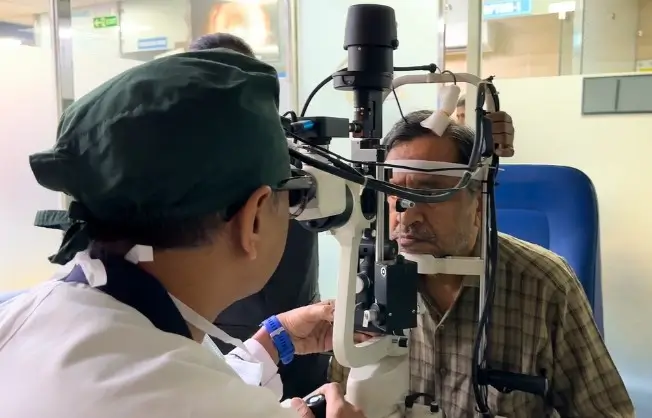
- Complete senior citizen eye check-ups covering cataract, glaucoma, AMD, and dry eye screening
- Individualised treatment plans built around each patient's specific needs and overall health
Dr. Rajeev JainDirector · Retina, Cataract, LASIK & Uvea Specialist
"The senior patients who do best are the ones who treat their annual eye exam the same way they treat a blood pressure check — routine, non-negotiable, and not something you wait to do until a problem shows up. Conditions like glaucoma give you no warning at all until vision is already affected. A yearly dilated exam is genuinely one of the simplest things you can do to protect your independence in the years ahead."
Frequently Asked Questions About Eye Care in Old Age
Older adults should have a comprehensive dilated eye exam at least once a year, even without noticeable vision problems. If you have diabetes, glaucoma, high blood pressure, or another condition affecting the eyes, your doctor may recommend more frequent visits.
Cataracts can't be completely prevented, since they're largely a natural part of ageing, but wearing UV-protective sunglasses, eating a healthy diet, and avoiding smoking can slow how quickly they develop. When a cataract does start affecting daily life, modern cataract surgery is a safe, effective, and very common solution.
Not always. Some conditions, like cataracts, can be fully treated with surgery. Others, like glaucoma and age-related macular degeneration, can't be reversed, but early detection and consistent treatment can slow or halt their progression, protecting the vision you still have.
Foods rich in vitamins A, C, and E, along with zinc, lutein, and omega-3 fatty acids, are particularly beneficial — think leafy greens, citrus fruits, nuts, eggs, and fatty fish like salmon. See our full guide to the best foods for eye health for more detail.
It depends on overall corneal health and thickness rather than age alone, though LASIK is generally better suited to younger adults with stable eye power. Older adults are often better candidates for procedures like refractive lens exchange or cataract surgery with a premium lens, which address both refractive error and any early lens clouding at once. A thorough eye exam is the only way to know which option fits your eyes.
Normal changes tend to develop gradually over months or years — needing more light to read, slower adjustment to darkness, a few stable floaters, or difficulty with night driving glare. Warning signs, by contrast, appear suddenly: a sharp increase in floaters or flashes, a shadow or curtain across part of your vision, sudden blurred or lost vision, or eye pain. Gradual changes can wait for your next routine exam; sudden changes need same-day attention.
Yes, very effectively in most cases. Dry eye becomes considerably more common with age — affecting an estimated 1 in 8 adults over 65 — often made worse by common medications. Treatment ranges from preservative-free artificial tears and a home humidifier to prescription anti-inflammatory drops for more persistent cases.
Low vision means your eyesight can't be fully corrected with glasses, contact lenses, medication, or surgery, often due to advanced AMD, glaucoma, or diabetic retinopathy. Low-vision aids — magnifiers, specialised lighting, large-print materials, and vision rehabilitation therapy — can help make the most of remaining vision and support continued independence.
Reduced contrast sensitivity, poor depth perception, and a narrower field of vision all make it harder to judge steps, kerbs, and uneven surfaces, which is a major reason vision problems are strongly linked to a higher risk of falls and fractures in older adults. Keeping an updated glasses prescription and good home lighting are two of the simplest, most effective ways to reduce this risk.
A few stable, long-standing floaters are usually nothing to worry about. But a sudden shower of new floaters, especially alongside flashes of light or a shadow across part of your vision, needs same-day evaluation, since it can signal a retinal tear or detachment — a genuine eye emergency.
Time for a Comprehensive Senior Eye Check-Up?
Protect your independence with expert, unhurried eye care at Save Sight Centre, Adarsh Nagar, North Delhi. NABH & ISO accredited · 15+ years · 1,70,000+ patients treated.
Disclaimer: The information on this site should not be considered medical advice. Please consult a doctor for determining the best procedure as well as the most appropriate treatment for your eyes. Results may vary from person to person and we do not guarantee similar results for everyone.