
 +91-7873-222-000
 WhatsApp

 Book Appointment
Eye Care in Delhi NCR Air Pollution: How to Protect Your Eyes
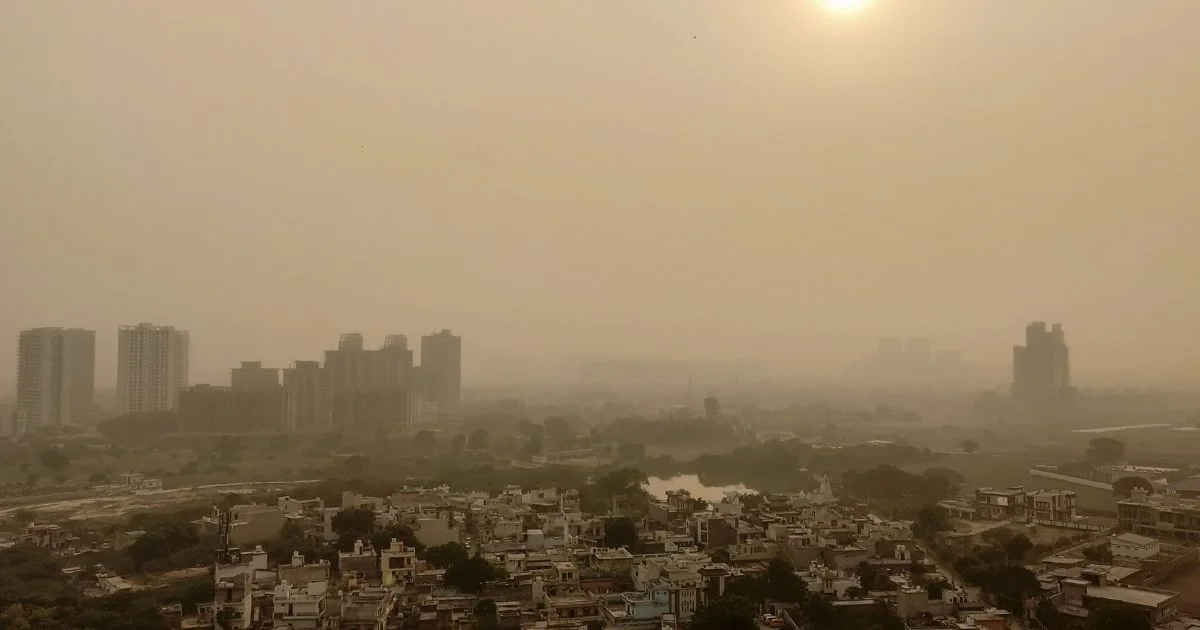
Every winter, as vehicular emissions, construction dust, and crop-burning smoke combine over Delhi NCR, eye specialists across the city see a sharp jump in patients complaining of burning, redness, and watering eyes. Your eyes are directly exposed to the air around you, with no filter of their own — here's exactly how pollution affects them, and what genuinely helps.

Quick Answer
Delhi NCR's air pollution — a mix of vehicle emissions, construction dust, industrial pollutants, and seasonal crop-burning smoke — irritates the eyes by disrupting the tear film and inflaming the eye's surface. This commonly causes redness, itching, burning, watering, and a gritty feeling, and can worsen into conjunctivitis, dry eye, or allergic reactions. Eye specialists in Delhi typically report a 50-60% jump in eye-related complaints during peak smog weeks. The most effective protection is layered: check the AQI before heading out, wear wraparound eyewear, switch to glasses over contact lenses on bad-AQI days, use preservative-free lubricating drops, and keep indoor air clean with a purifier.
Key Takeaways
- Fine particulate matter (PM2.5, PM10) and gases like NO2 and SO2 destabilise the eye's tear film, causing dryness and irritation.
- Delhi eye specialists report a 50-60% surge in eye complaints during peak pollution weeks, especially post-Diwali and during crop-burning season.
- Checking the day's AQI before heading out helps you time outdoor activities and decide when extra protection is needed.
- Contact lenses and heavy eye makeup can trap pollutants against the eye — switch to glasses on high-AQI days.
- Preservative-free lubricating drops help; decongestant "redness relief" drops mask irritation and shouldn't be used daily.
- Pain, light sensitivity, thick discharge, or persistent blurred vision need a doctor's evaluation, not just more eye drops.
Figures reflect general patterns reported by Delhi eye specialists during high-pollution periods and can vary by season and location.
How Does Air Pollution in Delhi NCR Actually Affect Your Eyes?
Delhi NCR's air carries a mix of fine particulate matter (PM2.5 and PM10), along with gases like nitrogen dioxide and sulphur dioxide — released by vehicle emissions, construction activity, industry, and seasonal crop burning in neighbouring states. Unlike your lungs, your eyes have no filtering mechanism of their own; they're directly exposed to whatever is in the air. These pollutants react with the moisture on your eye's surface, destabilising the tear film that normally keeps your eyes comfortable and protected. The result is inflammation, dryness, and irritation — and with repeated or prolonged exposure, this everyday irritation can progress to more persistent conditions.
What AQI Level Should Change Your Outdoor Plans?
The Air Quality Index (AQI) is one of the most useful tools for protecting your eyes proactively — checking it before stepping out takes seconds and helps you plan around the worst hours.
| AQI Range | Category | What to Do for Your Eyes |
|---|---|---|
| 0-50 | Good | Normal outdoor activity is fine |
| 51-100 | Satisfactory | Sensitive individuals should carry lubricating drops |
| 101-200 | Moderate | Consider wraparound eyewear outdoors |
| 201-300 | Poor | Limit outdoor time; wear protective eyewear |
| 301-400 | Very Poor | Avoid non-essential outdoor exposure, especially mornings |
| 401-500 | Severe | Stay indoors as much as possible; keep children and elderly inside |
What Eye Problems Can Pollution Cause?
Conjunctivitis
Irritants in polluted air inflame the conjunctiva — the thin membrane covering the white of the eye and inner eyelids — causing redness, itching, tearing, and a gritty feeling. Learn more about conjunctivitis (eye flu).
Dry Eye Syndrome
Pollutants disrupt tear film stability, reducing tear production and speeding up evaporation. This causes discomfort, blurred vision, and light sensitivity. See our guide to dry eye treatment.
Allergic Conjunctivitis
Airborne pollen, dust, and particulate matter can trigger allergic reactions, causing redness, itching, tearing, and swollen eyelids.
Increased Risk of Eye Infections
Pollution weakens the eye's natural defences and increases eye rubbing from irritation, both of which raise the risk of bacterial or viral infections causing discharge, pain, and blurred vision.
Worsening of Existing Eye Conditions
If you already have conditions like glaucoma or macular degeneration, prolonged exposure to polluted air may accelerate their progression.
What Symptoms Should You Watch For?
When Should You See a Doctor Urgently?
Everyday irritation usually responds to home care, but seek prompt medical attention if you notice:
- Eye pain, not just irritation
- Unusual light sensitivity
- Thick discharge from the eye
- Persistent blurred vision that doesn't clear
- Redness with pain in a contact lens wearer
These can indicate something beyond simple pollution-related irritation, such as an infection or corneal involvement, that needs proper evaluation.
What Are the Practical Eye Care Tips for High Pollution Days?
Use protective eyewear
Wraparound sunglasses or goggles with UV protection create a barrier against dust, smoke, and allergens, and a close-fitting design keeps out more particles than regular glasses.
Clean your eyes frequently
Rinse with a gentle, preservative-free eye wash or saline solution to remove settled irritants — this reduces infection risk and eases discomfort.
Stay well hydrated
Drinking enough water through the day supports overall tear production and reduces your risk of dry eye.
Use air purifiers and humidifiers indoors
A quality HEPA air purifier reduces indoor particulate matter, and a humidifier helps maintain healthy moisture levels in dry indoor air.
Limit outdoor activity on high-AQI days
Avoid peak pollution hours, particularly early mornings, when levels are often at their worst.
Use lubricating eye drops
Preservative-free artificial tears relieve dryness and discomfort caused by pollution; consult an eye specialist if symptoms persist despite regular use.
Avoid contact lenses and heavy eye makeup
Lenses can trap dust and pollutants against the eye's surface, and products like kajal or mascara can add further irritation on high-pollution days — switch to glasses when you can.
Maintain good hygiene
Wash hands regularly, especially before touching your eyes, and avoid rubbing them, since this can introduce contaminants and worsen irritation.
Eat an eye-friendly diet
Include foods rich in vitamins A, C, and E, along with omega-3 fatty acids, to support your eyes' natural resilience. Consult an ophthalmologist before starting any supplement.
Avoid this common mistake: Over-the-counter "redness relief" or decongestant eye drops give quick visual relief but only mask irritation rather than treating its cause. Used repeatedly, they can trigger rebound redness, leaving your eyes worse off. Stick to preservative-free lubricating tears for daily pollution-related discomfort.
What Extra Precautions Help During Diwali and Crop-Burning Season?
Every year, firecracker smoke around Diwali combines with stubble burning in Punjab and Haryana to send Delhi NCR's pollution levels sharply higher over a short period. This dense mix of particulate matter and irritant gases, often trapped close to the ground by cooler, stiller winter air, is exactly why eye specialists in Delhi see such a noticeable spike in irritation, dryness, and allergy cases during this season. During these weeks specifically:
- Step outdoors as little as possible during and immediately after fireworks displays
- Keep windows closed in the evenings and mornings when smoke settles low
- Increase the frequency of lubricating drops if your eyes feel dry or gritty
- Watch children closely, since firecracker smoke and debris are common causes of eye injury during this period
Who Needs Extra Care During High Pollution?
- Children — smaller airways and developing immune systems make them more sensitive to irritation
- Elderly individuals — often have reduced tear production already, compounding pollution-related dryness
- Contact lens wearers — lenses can trap pollutants directly against the eye's surface
- People with existing eye conditions — those with glaucoma, macular degeneration, or chronic dry eye may see symptoms worsen faster with prolonged exposure
Dr. Rajeev JainDirector · Retina, Cataract, LASIK & Uvea Specialist
"Every pollution season, we see the same pattern — patients who took basic precautions come in with mild, manageable irritation, and those who didn't often come in with something more stubborn to treat. The good news is that the protective steps aren't complicated: check the AQI, protect your eyes outdoors, and don't ignore symptoms that linger. Consistency matters far more than any single remedy."
Frequently Asked Questions About Eye Care in Delhi NCR Pollution
It can, in severe or prolonged cases. Ongoing exposure to very high pollution can chronically damage the ocular surface and cornea, and doctors have reported cases where corneal deterioration from constant chemical exposure was difficult to reverse even with treatment. For most people, though, pollution-related eye irritation is temporary and improves once exposure reduces and proper care is taken — permanent damage is more of a risk with severe, sustained exposure or when symptoms are ignored for a long time.
It's best to switch to glasses on high-AQI days if you can. Contact lenses can trap dust, smoke particles, and pollutants against the eye's surface, which increases irritation and infection risk. If you must wear lenses, keep them scrupulously clean, avoid overwearing them, and switch to glasses the moment your eyes feel dry or gritty.
Preservative-free lubricating eye drops (artificial tears) are the safest everyday choice, since they rehydrate the eye and help flush out settled pollutants without any downside from repeated use. Avoid over-the-counter "redness relief" or decongestant drops for daily use — they mask irritation rather than treating it, and can cause rebound redness if used for more than a few days.
Rinsing your eyes with clean, cool water two to three times a day — especially after being outdoors — helps remove settled dust and particulate matter from the eye's surface. A gentle, preservative-free saline eye wash works even better than plain water if your eyes feel particularly irritated.
Yes, genuinely. Knowing the day's AQI lets you plan outdoor activities, exercise, and school runs around the least polluted hours, and decide when protective eyewear or staying indoors makes sense. Pollution levels in Delhi NCR can shift significantly within the same day, so a quick AQI check before stepping out is a simple, effective habit.
Not directly, but an ill-fitting mask can direct exhaled breath upward, fogging glasses and sometimes drying out the eyes further. Choosing a well-fitted mask and pairing it with lubricating drops if a child's eyes feel dry usually solves this. The mask itself remains important for protecting the respiratory system.
Research increasingly links long-term exposure to fine particulate air pollution with a higher risk of conditions including cataracts and age-related macular degeneration, alongside the more immediate effects like dry eye and conjunctivitis. This is one more reason consistent eye protection and regular check-ups matter for people living in high-pollution cities long-term, not just during the worst smog weeks.
Yes, the surgery itself is performed in a controlled, sterile operating environment unaffected by outdoor air quality. What matters more is post-operative care — during recovery, your eyes are more sensitive, so your surgeon may advise extra precautions like wraparound glasses, more frequent lubricating drops, and limiting outdoor exposure until healing is complete.
A good HEPA air purifier genuinely reduces indoor particulate matter, which helps since most people spend the bulk of their day indoors. Indoor plants have a much smaller measurable effect on air quality in a typical room compared to an air purifier, so they're a pleasant addition but not a substitute for proper filtration on high-AQI days.
Firecracker smoke around Diwali and stubble burning in neighbouring states both release a dense mix of particulate matter and irritant gases in a short period, on top of Delhi NCR's usual traffic and construction pollution. This combination, often trapped close to the ground by cooler, stiller winter air, is why eye specialists in Delhi typically see a sharp rise in irritation, dryness, and allergy cases every year during this season.
Eyes Struggling With Delhi's Pollution?
Get expert eye care and personalised protection advice at Save Sight Centre, Adarsh Nagar, North Delhi. NABH & ISO accredited · 15+ years · 1,70,000+ patients treated.
Disclaimer: The information on this site should not be considered medical advice. Please consult a doctor for determining the best procedure as well as the most appropriate lens for your eyes. Results may vary from person to person and we do not guarantee similar results for everyone.