
 +91-7873-222-000
 WhatsApp

 Book Appointment
Cataract Prevention Tips: Can You Really Reduce Your Risk?
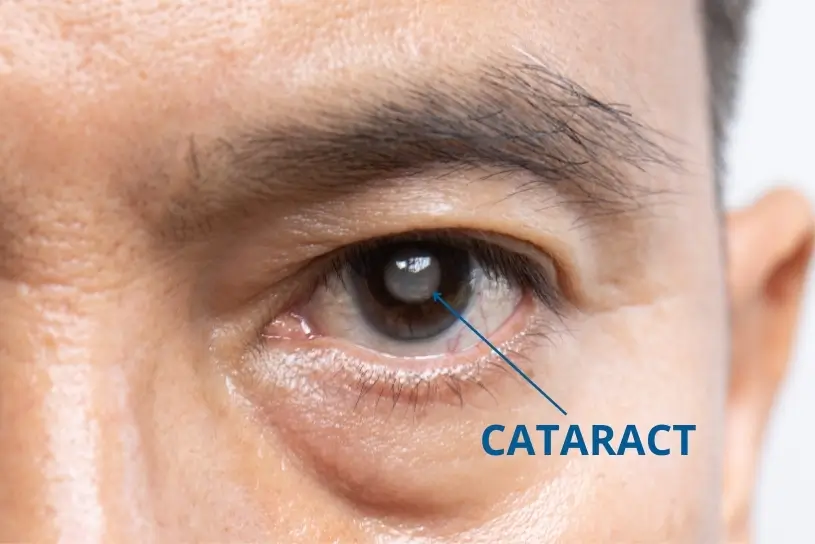
Cataracts can't be avoided entirely in old age — but the timeline is more in your hands than most people realise. Cataract is a disease where the eye's natural lens gradually clouds over, leading to blurred vision and glare. While ageing itself can't be stopped, the habits below can genuinely delay how early and how quickly a cataract develops.

Quick Answer
Cataracts cannot be fully prevented, since ageing itself is the leading cause — but their onset and progression can genuinely be delayed. An antioxidant-rich diet, UV protection with good sunglasses and a hat, tight control of diabetes and blood pressure, and avoiding smoking are the most evidence-backed steps you can take. Other risk factors worth knowing about include long-term steroid medication use, past eye injury or surgery, family history, and high blood pressure — some of these you can manage, others you simply monitor more closely with regular eye exams. Once a cataract does form, the only effective treatment is surgery to replace the clouded lens.
Key Takeaways
- Cataracts can't be prevented outright, but a healthy diet, UV protection, and good chronic disease control can meaningfully delay their onset.
- There are three main types of cataract — nuclear, cortical, and posterior subcapsular — each linked to somewhat different risk factors.
- Long-term steroid use, especially at higher doses, is a well-established risk factor for posterior subcapsular cataracts specifically.
- Past eye injury, previous eye surgery, and family history all raise your personal risk, even though you can't change them.
- No home remedy, eye drop, or supplement can reverse or dissolve an existing cataract — surgery is the only proven treatment.
- Annual eye exams after age 40 remain the best way to catch cataracts (and other conditions) early, before they significantly affect your vision.
Figures reflect general epidemiological research and can vary based on individual health and risk factors.
Can Cataracts Really Be Prevented?
Not entirely — ageing is the single biggest driver of cataract, and no diet or lifestyle change can stop that process altogether. What you genuinely can do is delay when a cataract develops and slow how quickly it progresses, by managing the risk factors within your control. Think of the tips on this page as a long-term investment in your vision, not a guarantee against ever needing cataract surgery.
What Are the Types of Cataracts, and Why Does It Matter?
Cataracts aren't all the same — they're classified by where the clouding develops within the lens, and each type tends to have somewhat different typical causes:
Nuclear Cataract
Most CommonDevelops in the central part of the lens and is most strongly linked to ageing and smoking. This is the classic, gradually progressing age-related cataract most people picture.
Cortical Cataract
Diabetes-LinkedForms in the outer edges of the lens in a wedge-like, spoke pattern, and is particularly associated with long-standing diabetes.
Posterior Subcapsular Cataract
Faster ProgressingDevelops at the back of the lens and tends to progress faster than the other types, often causing glare and difficulty reading sooner. Strongly linked to long-term steroid use, diabetes, and can appear at a younger age than typical age-related cataracts.
Many people eventually develop a mix of more than one type. Knowing which type you have helps your doctor understand which risk factors were most likely involved and how quickly to expect changes.
What Increases Your Risk of Cataracts?
Age
The single biggest risk factor — the risk of developing a cataract rises steadily after age 40 and continues to increase with each decade.
UV Light Exposure
Long-term unprotected exposure to sunlight, particularly UV-B rays, is a well-established risk factor for earlier and denser cataract formation.
Diabetes and High Blood Sugar
Fluctuating blood sugar affects lens metabolism and draws fluid into the lens, clouding it faster — people with diabetes face a notably higher cataract risk, often developing it earlier.
Smoking and Heavy Alcohol Use
Smoking increases oxidative stress throughout the body, including the eyes, and is repeatedly linked to earlier, more advanced cataracts. Heavy alcohol use plays a smaller but still relevant role.
Long-Term Steroid Use
See BelowProlonged use of steroids in any form — eye drops, inhalers, tablets, or injections — is a specific, well-documented risk factor, particularly for posterior subcapsular cataracts.
Previous Eye Injury or Surgery
Past eye trauma, significant inflammation (such as uveitis), or previous eye operations like glaucoma surgery can all raise cataract risk or bring on cataract formation earlier.
Family History
Having a close relative with cataract, particularly the nuclear type, is linked to a somewhat higher personal risk, likely due to inherited lens protein differences.
High Blood Pressure
Research has found hypertension to be a notably common factor among cataract patients, particularly linked to the posterior subcapsular type.
Why Are Steroid Medications a Special Risk Factor?
This one deserves its own explanation, since it's often overlooked. Long-term steroid use — regardless of whether it's taken as eye drops, an inhaler, oral tablets, or an injection — alters lens metabolism in a way that specifically raises the risk of posterior subcapsular cataracts, which can progress faster and affect vision sooner than typical age-related cataracts. Higher doses and longer duration of use increase this risk further. Not everyone on steroids develops a cataract, and you should never stop a prescribed steroid without medical guidance — but it's genuinely worth discussing the lowest effective dose with your prescribing doctor and keeping up with regular eye monitoring if you're on long-term steroid treatment for any condition.
How Does an Antioxidant-Rich Diet Help Prevent Cataracts?
A healthy diet is one of the most natural ways to protect your eye lens and reduce cataract risk as you age. What you eat quietly supports your lens's ability to withstand oxidative stress, one of the primary drivers of age-related cataract. Nutrients like vitamins A, C, and E, lutein, zeaxanthin, and omega-3 fatty acids all show a protective effect, helping preserve lens clarity and delay damage. This isn't a quick fix — it's a long-term investment in your vision, built through consistent, everyday food choices rather than any single "superfood."
How Should You Protect Your Eyes From UV Light?
Unprotected exposure to sunlight, particularly UV-B rays, over many years is a well-established risk factor for earlier, denser cataracts.
- Wear good-quality sunglasses that block 99-100% of UVA and UVB rays whenever you're in bright sun
- Wear a wide-brimmed hat or use an umbrella during the strongest hours of daytime sun to reduce the amount of light reaching your eyes
- These practices matter especially in India, where strong sun is a year-round reality across most of the country
Why Does Controlling Diabetes and Other Conditions Matter So Much?
Uncontrolled diabetes is closely linked to premature and accelerated cataract development. Fluctuating high blood sugar affects lens metabolism and draws fluid into the lens, clouding it faster than it would otherwise.
- Keep blood sugar, blood pressure, and cholesterol well controlled through diet, exercise, and medication as prescribed
- If you have diabetes, get your eyes examined regularly, since changes can develop before you notice any symptoms
- Eat well and stay physically active most days of the week
- Good general health remains one of the most effective natural ways to support healthier eyes long-term
How Do Smoking and Alcohol Affect Cataract Risk?
Smoking increases oxidative stress throughout the body, and eventually, that damage shows up in the eyes too. Smoking has been repeatedly linked to a higher cataract risk, and to developing cataracts earlier in life, along with the resulting need for earlier cataract surgery.
If you smoke, quitting is genuinely the best step you can take — but even cutting down can help. Reducing regular exposure to these toxins gives your eyes a real chance to respond. Alcohol plays a smaller role than smoking, but it still matters; small, consistent choices add up, and your eyes tend to show the benefit sooner than you'd expect.
What Are the Myths and Facts About Cataract Prevention?
- Many home remedies for cataract found online are not scientifically proven, and some can actually be harmful to the eyes.
- Eating a healthy, antioxidant-rich diet (fruits, vegetables, nuts, seeds) is genuinely good for overall eye health, but it cannot cure or reverse a cataract that has already formed.
What Should You Never Do Without Consulting an Eye Doctor?
- Do not put oils in your eyes, including castor oil
- Avoid using honey, rose water, or herbal extracts directly in the eyes
- Do not use unlabeled or over-the-counter eye drops that claim to dissolve cataracts
The only effective treatment for cataract is cataract surgery, where the cloudy natural lens is removed and replaced with an artificial lens (IOL). Waiting too long can lead to an advanced cataract, which may make surgery more complicated — so if home remedies are tempting you to delay a proper evaluation, that's exactly the moment to see a specialist instead.
When Should You See a Doctor for Cataract?
Even if you follow all the preventive tips above, changes in the eye lens can still occur over time. Regular eye check-ups help detect cataracts or other vision problems at an early stage. Consult an eye doctor if you notice:
- Blurred or unclear vision, especially while reading or driving at night
- Glare or halos around lights
- Needing brighter light to read than before
- Frequent changes in spectacle power
- Difficulty with everyday tasks such as reading, driving, or recognising faces
At Save Sight Centre in Delhi, your cataract specialist will conduct a thorough eye check-up and clarify whether you need simple eyewear, lifestyle modification, or surgery as the next step. When surgery is needed, modern techniques like phacoemulsification and Micro-Incision Cataract Surgery (MICS), using high-quality intraocular lenses, can restore clear vision quickly and safely.
Dr. Rajeev JainDirector · Retina, Cataract, LASIK & Uvea Specialist
"I tell patients the same thing every time this comes up: you can't out-diet or out-supplement ageing, but you absolutely can influence the timeline. Someone who protects their eyes from UV, keeps their diabetes in check, and doesn't smoke will very often need cataract surgery years later than someone who doesn't — and that's a genuinely meaningful difference in quality of life, even if the surgery itself is safe and routine either way."
Frequently Asked Questions About Cataract Prevention
No, cataracts cannot be fully prevented, since ageing itself is the biggest driver. But a good diet, UV protection, diabetes control, and not smoking can genuinely delay how early and how quickly cataracts develop.
No. There is no natural remedy, eye drop, or home treatment that can reverse or cure an existing cataract. The only effective treatment for cataract is surgical replacement of the clouded lens with an artificial intraocular lens.
Spinach, carrots, citrus fruits, almonds, walnuts, and fish are all linked to a lower cataract risk thanks to their vitamin C, vitamin E, lutein, and omega-3 content. These foods support overall eye health as part of a balanced diet, though they work as long-term protection rather than a quick fix.
No, screen usage doesn't directly cause cataracts. Regular breaks and good overall eye health habits are still worthwhile for comfort, but screens themselves aren't a recognised cataract risk factor.
After age 40, a comprehensive eye check-up is recommended at least once a year, and more frequently if you have diabetes, hypertension, or a family history of eye disease.
The three main types are nuclear (in the central part of the lens, most linked to ageing and smoking), cortical (in the outer edges of the lens, linked to diabetes), and posterior subcapsular (at the back of the lens, linked to steroid use, diabetes, and younger age at onset). Many people eventually develop a mix of more than one type.
Long-term steroid use — whether as eye drops, inhalers, oral tablets, or injections — is a well-recognised risk factor, particularly for posterior subcapsular cataracts, which can develop faster and at a younger age than typical age-related cataracts. Not everyone on steroids develops a cataract, and you should never stop a prescribed steroid without medical guidance, but it's worth discussing the lowest effective dose and regular eye monitoring with your prescribing doctor.
Yes. Past eye trauma, significant eye inflammation like uveitis, or previous eye operations such as glaucoma surgery can all raise cataract risk by affecting the lens capsule or triggering earlier lens changes. If you have this history, cataract surgery later on remains just as safe and effective, though your surgeon may do some extra planning and testing beforehand.
Genetics does play a role. Having a first-degree relative with cataract, particularly the nuclear type, is linked to a somewhat higher personal risk, likely due to inherited differences in lens proteins or the eye's natural repair processes. Family history isn't something you can change, but knowing about it makes regular eye check-ups especially worthwhile.
Research suggests it does, particularly for posterior subcapsular cataracts, where hypertension has been identified as a notably common associated risk factor. Keeping blood pressure well controlled is therefore not just good for your heart and kidneys, but appears to support your long-term eye health too.
Worried About Your Cataract Risk?
Get a thorough eye exam and personalised prevention advice at Save Sight Centre, Adarsh Nagar, North Delhi. NABH & ISO accredited · 15+ years · 1,70,000+ patients treated.
Disclaimer: The information on this site should not be considered as medical advice. Please consult a doctor for determining the best procedure as well as the most appropriate lens for your eyes. Results may vary from person to person and we do not guarantee similar results for everyone.